

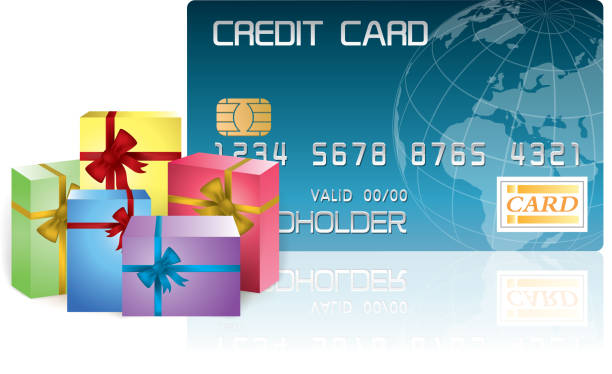

Forget complicated schemes. Using credit card points and miles effectively is a straightforward way to cut your biggest expenses down to size. This isn’t about getting into debt; it’s about strategically turning your necessary spending into funded adventures and nights out. The core principle is simple: you spend money you were already going to spend, and the credit card company gives you a percentage back in rewards. The trick is to maximize that return and use it where it has the most power.
First, you must pick the right tool for the job. Not all rewards cards are created equal. If your goal is to slash travel costs, a general travel rewards card or a card tied to a specific airline or hotel chain is your best bet. These cards typically earn points that can be transferred to airline or hotel partners or redeemed directly for travel through the bank’s portal, often at a boosted value. For entertainment and dining, look for cards that offer bonus categories, like 3x or 4x points on restaurants, streaming services, or grocery stores. A flat-rate cash-back card is a reliable, no-fuss option if you want simplicity, but for maximum savings on specific goals, category bonuses are king.
The single most important rule is non-negotiable: pay your statement balance in full, every single month. Interest charges will devour any value you get from points and rewards, turning a money-saving strategy into a financial drain. This system only works if you treat your credit card like a debit card, spending only what you have. Set up autopay to ensure you never miss a due date.
Once you have the right card and the right habits, focus your everyday spending on it. This means buying groceries, filling your gas tank, and paying your monthly subscriptions with your rewards card instead of cash or debit. This accelerates your points earning from routine life. For large, planned purchases—like a new appliance, furniture, or insurance premiums—using your card can net a huge points haul instantly. Just confirm the merchant doesn’t charge a fee for credit card payments, as that would cancel out the benefit.
The real magic, and where you truly slash costs, happens at redemption. Points are most valuable when used for travel, especially for premium cabin flights or luxury hotel stays that would normally be out of reach. Transferring points to airline partners can often provide the best value, but it requires some research. Booking through your card’s travel portal is easier and still usually offers a better rate than buying points for cash. For entertainment, some cards allow you to use points to cover charges at popular restaurants or for streaming credits, effectively giving you free nights out and movies.
Always be aware of the pitfalls. Annual fees are common on premium cards; ensure the benefits and rewards you’ll actually use outweigh this cost. Points can devalue or expire, so have a plan to use them. Never chase a sign-up bonus by spending money you wouldn’t have otherwise spent. The bonus is a reward, not an excuse to splurge.
In essence, this is a game of intentional spending and strategic redemption. You weaponize your normal budget to fund the fun parts of life. By choosing a card that aligns with your spending and your goals, paying it off without fail, and redeeming points for high-value travel and experiences, you can systematically reduce the cost of seeing the world and enjoying your free time. It turns everyday purchases into the building blocks of your next vacation.