Crack the Code: Finding Hidden Coupons in Unboxing Videos
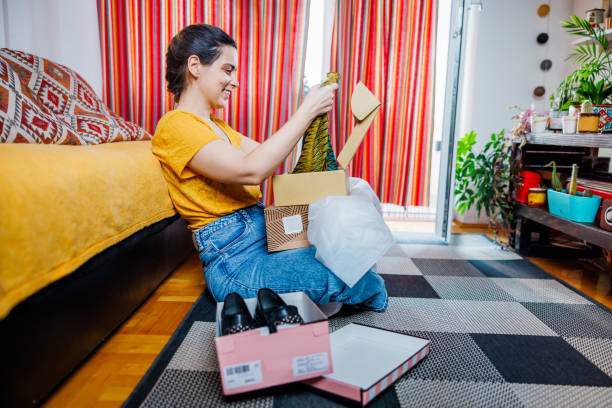
That satisfying rip of tape, the crinkle of plastic, the first flash of a shiny new gadget—unboxing videos have become a guilty pleasure for millions. But for the sharp-eyed bargain hunter, these videos are more than just entertainment. Tucked inside the packaging, flashed for a few seconds on the host’s phone, or even whispered as a casual aside, there are discount codes worth real money. The trick is knowing how to spot them without wasting an entire afternoon staring at someone fold a cardboard insert. With a little strategy, you can turn your nightly scroll through Instagram and TikTok into a reliable source for coupons that actually work.
The first thing to understand is that brands and influencers have gotten sneaky. A plain promo code shouted out loud is too easy to screen-record and share. So they hide them in plain sight. The most common place is on a card or flyer inside the box, but that card gets pulled out and dropped into a pile of packing peanuts in under two seconds. Your job is to pause at the exact moment the card is facing the camera. Do not rely on your memory. Use the screenshot function on your phone or computer, then zoom in to read the fine print. Many codes are printed in a small font at the bottom of an otherwise busy thank-you card, or they appear on a sticker wrapped around a charging cable. Pausing on every angle as the host turns the item over is tedious but profitable, especially on pricier tech purchases where a fifteen percent off code might cover shipping and then some.
Another sneaky spot is the underside of the product itself. Think about it: a brand wants the unboxing to look clean, so they won’t slap a bright red sticker on the front face of a new blender. But the bottom plate, the back panel, or even the inside of a lid often carries a laser-etched code that the host never mentions. This is particularly common for beauty and personal care items, where the outer box gets recycled immediately. Look for anything that resembles a short, alphanumeric string. It might not be labeled as a promo code. Often it’s just printed there as a serial number or batch code. But many brands use the same format for both, and a little testing at checkout can reveal a discount. Take that code to the brand’s website, add the lowest-priced item to your cart, and try it. Worst case, you get an error. Best case, you find a code that was never meant for the general public.
Social media’s own search functions are the unsung heroes here. Instead of doomscrolling through random hashtags, run a targeted search for the product name plus the word “unboxing.” Then filter by “Latest” instead of “Top.” Big influencers get free products and often receive codes that are already widely shared. Smaller creators—the ones with a few thousand followers—sometimes receive unique codes that are tied to their handle but never expire. Watch the video description or the comments. The creator might not say “use code SAVE20” aloud because that feels too commercial and triggers the algorithm’s ad detection. Instead, they’ll post it in a comment pinned to the top or add it as text overlay in the final five seconds of the video. That is your goldmine. To catch these, never skip the last few seconds of an unboxing. A surprising number of creators hide the code in the outtake bloopers or in a quick “by the way” after the main reveal.
Then there is the time-stamped clue. On TikTok, creators often respond to comments with a video that shows the box being opened again. If you see a comment asking for a discount code, look at the response video and slow it down to half speed. Some creators will flash a QR code on the instruction manual page for half a second. A slow-motion screenshot of that QR code can be scanned with your phone. That leads to a landing page that may offer a welcome coupon or an exclusive bundle discount that is far better than any publicly listed code. Never assume a QR code takes you to the standard product page. These hidden QR codes are often for internal affiliate links that include a unique coupon at the final checkout step.
Timing matters as much as technique. Unboxing videos released during a product launch week, a holiday weekend, or the day after a major shopping event often contain extra-generous codes. Brands want to juice early sales numbers, so they give creators bigger discounts to include. Conversely, unboxing videos from six months ago might still have working codes if the brand never set an expiration date. Create a small note on your phone with a list of codes you find and test them every month. You will be surprised how often a code that failed in January works in March because the brand temporarily disabled it during a sale and then forgot to turn off the new one.
One gentle warning: avoid any code that claims to be “secret” but is plastered across twenty different videos. Those are often generic affiliate codes that give the creator a cut of your purchase, not a genuine discount. The real hidden codes are the ones that are awkwardly cropped, barely visible, or never spoken aloud. They are the reason you should watch unboxings with your thumb hovering over the pause button and your phone’s screenshot shortcut armed. It takes a little patience, but the payoff is real. You will start seeing shopping hauls as treasure hunts, and every box that gets opened is just another chance to shave a few dollars off your next purchase. Happy hunting, and may your cart always ring up at a lower number than you expected.