
Most shoppers focus on finding a good deal upfront, but the real savings often come after the purchase. Price protection, a benefit offered by many credit cards, can refund the difference if an item’s price drops within a certain window after you buy it. When combined with a retailer’s own price match guarantee, this tool becomes one of the most underutilized weapons in the consumer arsenal for cutting tech and electronics expenses. Understanding how to layer these protections correctly can save hundreds of dollars on everything from laptops to smart home devices.
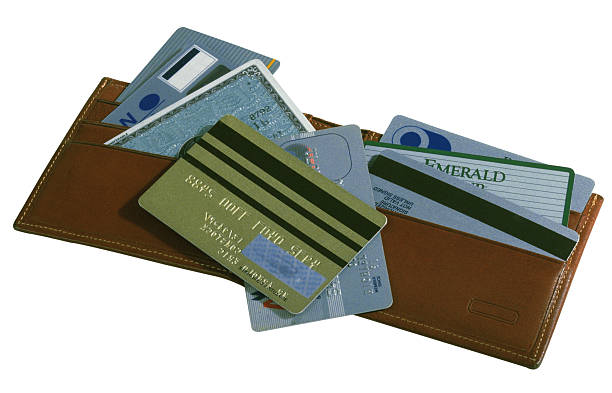
The first step is knowing which credit cards in your wallet actually offer price protection. Not all do, and the terms vary widely. Some cards, like those from Citi or Discover, have historically offered generous 60- to 90-day windows for price drops, while others have scaled back benefits. Before making any major electronics purchase, check your card’s benefits guide or call the issuer. Look specifically for the policy’s coverage cap—many limit total claims per year or per item to a few hundred dollars. For a high-ticket item like a new MacBook, this cap means you might only recover a portion of a significant price drop, but every dollar counts.
Timing is everything when using price protection. Unlike a retailer’s price match, which usually requires you to act before or at the time of purchase, credit card price protection lets you buy now and monitor prices later. This is especially powerful during volatile sales cycles. Electronics prices often fluctuate with seasonal events like Black Friday, Prime Day, or back-to-school promotions. If you buy a laptop in September and its price plunges in October for a holiday sale, your credit card can refund the difference. The catch is that you must submit documentation—usually a screenshot or link showing the lower price from the same retailer, with the same model number, in stock, and available for purchase. Keep all receipts and copies of the original transaction handy.
Retailers’ own price match guarantees add another layer. Major electronics sellers like Best Buy, Target, and Walmart promise to match a lower price from a competitor for a short period, often 14 to 30 days. But here is where strategy becomes critical: you cannot double-dip. Most price protection policies exclude purchases where you already received a price match from the store. So you must choose which route offers the better deal. If the retailer’s match window is short but the card’s protection is long, you might use the retailer match for an immediate drop and then rely on the card for a deeper drop later. However, if the card’s policy explicitly excludes items that were already price-matched, then you lose that second chance. The smarter play is to skip the retailer match initially and let the credit card’s longer window cover more potential drops, unless the retailer’s policy is more generous in its terms.
Another nuance is the difference between a price drop and a sale. Some credit card policies require the lower price to be from the exact same retailer where you bought the item, while others accept any authorized retailer. For electronics, this distinction matters because a product might go on sale at Amazon but you bought it from Best Buy. Your card might only match Amazon if the policy allows cross-retailer comparisons. Check this before purchasing. Also, many policies exclude clearance, open-box, refurbished, or limited-quantity flash deals. A flash sale that lasts only a few hours may not qualify, but a standard price reduction that lasts several days usually does.
Documentation is the most common failure point. When prices drop, you need proof. Use a tool like CamelCamelCamel for Amazon price history, or take a screenshot that includes the URL, date, and price. Do not rely on memory. Submit your claim as soon as you see the lower price, because some policies have a claim deadline within days of the drop. After submitting, follow up. Many credit card processors are slow, and a polite phone call can expedite the refund. Keep a log of claim numbers and dates.
One often overlooked trick is to combine price protection with other savings layers. For instance, use a cashback portal when buying the electronics, then later claim the price drop through your card. The cashback is not affected by the price protection refund because it’s a separate reward from the purchase. Similarly, if you have store credit or a gift card discount from a trade-in, you can still file a price protection claim on the original purchase price. The refund goes back to your card, effectively reducing your net cost even further.
Finally, be aware that some card issuers have recently eliminated or reduced price protection benefits due to abuse. If your favorite card no longer offers it, consider applying for a card that does, but only if the annual fee is justified by your electronics spending. The Chase Sapphire Preferred, American Express Platinum, and certain store cards still provide variations of this perk. Always verify the current terms before relying on them.
Mastering price protection on credit cards for electronics purchases requires a bit of upfront homework and disciplined documentation. But when executed correctly, it transforms a static purchase into a dynamic, ongoing negotiation with the market. You no longer need to wait for the perfect price. You buy when you need the item, then let the system work for you. That is the true power of combining credit card benefits with retail price match guarantees—a one-two punch that keeps more money in your pocket and makes those expensive gadgets a little less painful to acquire.