
The 24-Hour Rule is a deceptively simple personal strategy, advocating for a mandatory pause between an impulse and an action, particularly for significant purchases or consequential decisions. While its implementation is straightforward—wait a day before committing—tracking its success requires a more nuanced, reflective approach. Success is not found in a single metric but in the gradual cultivation of self-awareness, financial health, and emotional resilience. To truly gauge its effectiveness, one must look beyond the immediate decision to the broader patterns and quality of life it fosters.
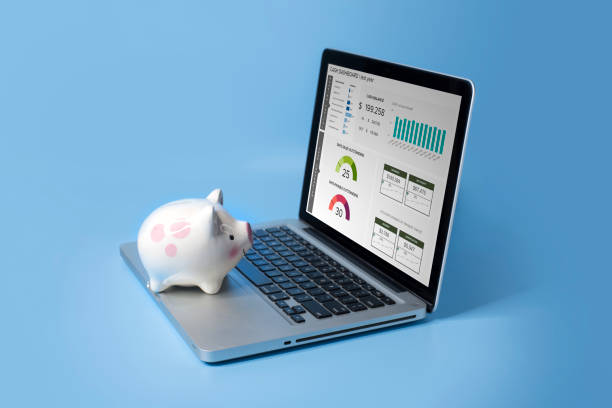
The most tangible arena for tracking is personal finance. Here, success manifests as a quieting of regrettable spending. To track this, begin by maintaining a simple log. When you feel a strong urge to buy a non-essential item, note it down, commit to the 24-hour wait, and then record your final action. Over time, review this log. Success is quantitatively visible in the reduced number of “buy” decisions compared to initial impulses. More powerfully, it is felt in your bank account and credit card statements as decreased discretionary spending and fewer post-purchase refunds or feelings of buyer’s remorse. The money saved becomes a concrete metric, whether it’s allocated to savings goals, debt reduction, or meaningful experiences, providing a clear financial echo of the rule’s utility.
However, the rule’s profound impact often lies in the emotional and psychological realm, which requires qualitative assessment. This involves honest introspection about your relationship with impulse and patience. Success here is tracked through a reduction in decision-related anxiety and an increase in confidence. After employing the rule, do you feel more in control or less swayed by marketing or fleeting emotions? Reflect on past decisions made after the cooling-off period. Do they align more consistently with your long-term values and identity, rather than a momentary desire? The emergence of a calmer, more deliberate thought process is a key indicator of success. You may notice that the initial “need” often dissipates entirely, revealing it to have been a “want” fueled by context rather than genuine necessity.
Furthermore, the success of the 24-Hour Rule extends into improved personal and professional outcomes. In communications, this can be tracked by reviewing saved drafts of emails or messages composed in frustration but sent only after a day’s reflection. The avoided conflict, the more constructive tone achieved, and the preservation of important relationships are clear wins. In larger life choices—such as career moves or commitments—success is visible in the absence of rash decisions and the presence of choices made with clarity. You can track this by journaling about major decisions, documenting your initial emotional impulse and your reasoned conclusion after 24 hours. The growing gap between reactive emotion and proactive choice is the territory where the rule proves its worth.
Ultimately, the most holistic way to track the success of the 24-Hour Rule is to observe its evolution from a conscious tactic to an unconscious habit. Initially, you force yourself to wait, diligently logging and checking impulses. With time, the pause becomes automatic, woven into your decision-making fabric. Tracking success, therefore, means noticing when you stop needing to track it so rigorously. It is the shift from asking “Should I wait?“ to instinctively knowing that waiting provides perspective. The rule’s triumph is not in a perfect record of avoided purchases but in a transformed mindset. You become less a passenger to your impulses and more the pilot of your choices. By periodically reviewing your financial health, emotional equilibrium, and the quality of your key decisions, you can chart the quiet, consistent success of this simple rule, proving that sometimes the most powerful actions are the deliberate non-actions we choose to take.