


The beauty of a clothing swap lies in its democratic spirit—a celebration of style over size, where garments find new life with new owners. However, the practical question of how to handle different clothing sizes can feel like a potential hurdle. Successfully navigating this variety is not only possible but can become the very feature that enriches the event, fostering creativity and inclusivity. The key is to shift the focus from a strict, numerical sizing system to one of flexible presentation and clear communication.
First and foremost, preparation sets the stage for harmony. When inviting participants, encourage them to bring items in good, clean condition, but explicitly state that all sizes are welcome. This initial framing is crucial; it establishes an expectation of diversity. As the swap organizer, you can then design the sorting system. Rather than grouping items by specific numerical sizes—a system fraught with variation between brands and eras—opt for broader, more intuitive categories. Think in terms of silhouettes and general fits: “Bottoms,“ “Dresses and Jumpsuits,“ “Tops,“ and “Outerwear.“ Within these sections, you might create loose sub-groupings like “Fitted,“ “Oversized,“ or “Flowy,“ which are more descriptive of the garment’s actual shape than a tag that may or may not be accurate.
The physical layout of the swap is your greatest tool. Arrange clothing on racks or tables with plenty of space for browsing. Attach tags to each item that note not just the labeled size, but key measurements. A simple note reading “Branded Medium, but fits small; waist measures 28”“ is infinitely more helpful than the size alone. For items like pants or dresses, a fabric measuring tape left on each table empowers swappers to make informed decisions on the spot. This transforms the process from a guessing game into an engaging, hands-on experience where individuals can assess fit based on their own knowledge of their body and preferences.
Ultimately, the most important element is cultivating an atmosphere of open-minded experimentation. A clothing swap is not a retail store; it is a space for creative expression. Encourage participants to think beyond the number on the tag. A large, slouchy sweater from the men’s section might be a perfect dress for someone else. A silk scarf can become a belt, or a too-large shirt can be cinched with a stylish belt. By removing the pressure to find a “perfect” size match, you open the door to styling possibilities that transcend conventional sizing. This mindset encourages participants to try on items they might normally overlook, leading to exciting and unexpected discoveries.
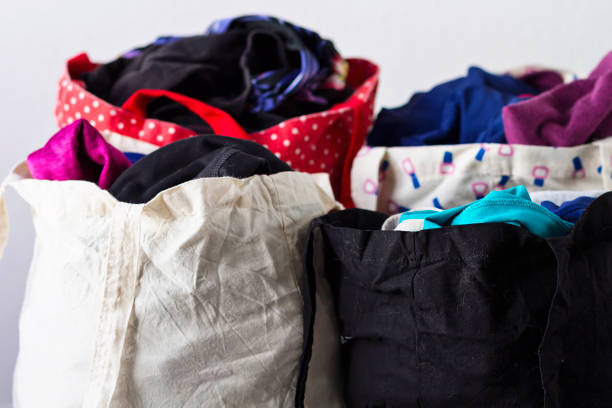
Finally, handling the leftovers with intention reinforces the event’s ethos. After the swap, consider organizing remaining items not by size, but by type, and donate them to a community organization that serves a diverse population, such as a shelter, a LGBTQ+ youth center, or a refugee support group. This ensures that every garment, regardless of its labeled size, has a pathway to a person who will appreciate it, extending the cycle of sustainability and community care beyond your immediate circle.
In essence, handling different sizes at a clothing swap is less about managing a problem and more about curating an opportunity. By prioritizing presentation over presumption, information over assumption, and creativity over conformity, you create an environment where the clothing is adaptable and the participants are empowered. The result is a more vibrant, inclusive, and successful event where the value of a garment is determined not by the number on its tag, but by the joy it brings to its new owner. The swap becomes a testament to the fact that great style is not a size, but a feeling.