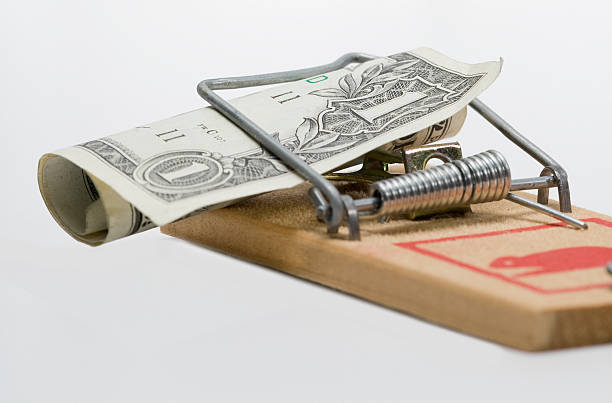

Every consumer knows the feeling: you see a product online, a flash sale banner pops up, or you walk past a store window with a sign screaming “50% off.” Your heart races, your hand reaches for your wallet, and before you know it, you have purchased something you did not plan to buy. This is the impulse spending trap, and it is one of the biggest obstacles to building lasting financial habits. While automation tools can help you save effortlessly, they cannot protect you from the split-second decisions that drain your bank account. That is where the 30-Day Rule comes in—a simple, mindful technique that transforms the way you think about every dollar you spend.
The concept is straightforward. Whenever you feel the urge to buy something that is not an absolute necessity, you write it down on a list or in a notes app, along with the price and the date. Then you set a mental timer for thirty days. During that month, you do not purchase the item. You simply wait. After thirty days have passed, you revisit your list. If you still want the item just as badly, and if it still fits within your budget, you allow yourself to buy it. But more often than not, you will find that the initial craving has faded, the product no longer seems essential, or you have realized you can live perfectly well without it.
Why does this rule work so effectively? Because it interrupts the emotional hijacking that drives impulse purchases. Most unplanned buys are not about genuine need; they are about instant gratification, boredom, social pressure, or the dopamine hit of a bargain. By inserting a waiting period, you give your rational brain time to catch up with your feelings. You separate the excitement of acquisition from the actual usefulness of the item. In psychological terms, this is called “delayed gratification,” and it is one of the most powerful tools for building wealth and financial discipline.
But the 30-Day Rule does more than just prevent bad purchases. It also trains your mind to become more intentional about every transaction. When you know you will have to wait a month before buying, you start asking better questions before you even write the item down. Do I really need this? Will I use it more than once? Is there a cheaper alternative I already own? This shift in mindset is the essence of mindful spending. Instead of reacting to external triggers, you become the person who makes conscious choices aligned with your long-term goals.
To make the 30-Day Rule stick, you can pair it with automation. For example, set up a separate savings account or a digital envelope specifically for “delayed purchases.” Whenever you add an item to your thirty-day list, transfer the cost of that item into this account. If after thirty days you decide not to buy it, the money stays there—and you can redirect it toward a larger financial goal, such as an emergency fund, a vacation, or debt repayment. This technique turns a simple waiting period into a savings engine. You are not just avoiding a purchase; you are building a habit of saving money that would otherwise have been wasted.
Another useful variation is the 48-Hour Rule for smaller, lower-cost items. For anything under a certain threshold—say, twenty dollars—you can shorten the waiting period to forty-eight hours. This keeps the practice flexible without becoming burdensome. The key is to create a system that you can maintain consistently. Over time, you will notice that even short waits kill most impulses. The urgency that feels so real in the moment evaporates when you give yourself permission to slow down.
Of course, the 30-Day Rule requires a bit of upfront effort. You have to remember to record each impulse, and you must resist the temptation to skip the waiting period for items that feel “urgent.” But the reward is substantial. Not only will you save money, but you will also reduce buyer’s remorse, clutter in your home, and the mental noise of constant consumer desire. Your budget becomes a reflection of your true priorities rather than a reactive list of fees and mistakes.
In the broader context of automating savings and building financial habits, the 30-Day Rule serves as the human check on automated systems. You can set up automatic transfers to a savings account, but if you keep spending impulsively on credit cards, those transfers are undermined. The rule bridges the gap between automation and awareness. It is a low-tech, high-impact practice that anyone can adopt, regardless of income level. The more you practice it, the more automatic it becomes—until mindful spending is no longer a rule but a natural part of how you live.
Start today. Keep a small notebook or a note on your phone. The next time you are about to buy something you did not plan to purchase, pause, write it down, and give yourself thirty days. You might be surprised at how many things you never end up wanting at all. And the money you keep? That is yours to save, invest, or spend on something that truly matters.