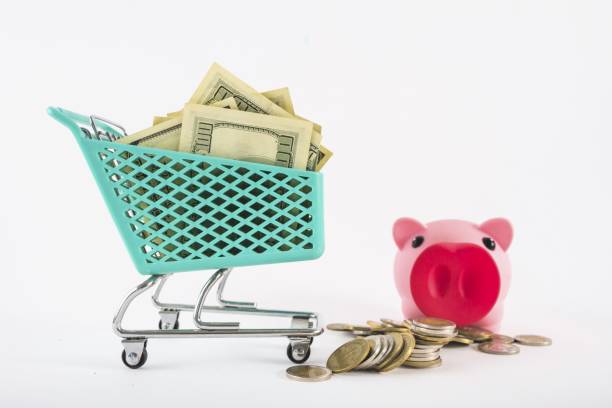
The 72-Hour Rule: Your Best Weapon Against Impulse Spending

You see it online at 2 a.m. The limited edition sneakers, the smart water bottle that tracks your hydration, the podcast microphone that promises to launch your side hustle. Your thumb itches. Your credit card is already memorized. One tap and it’s yours. But here’s the hard truth that nobody likes to say out loud: that rush you feel in the moment is not satisfaction. It’s just the starting gun for a race you’ll lose later when the item arrives, sits in a drawer, and mocks you with its uselessness.
Impulse buying is not a character flaw. It is a system, engineered with triggers like countdown timers, “only 3 left” warnings, and one-tap checkout. Marketers have spent billions to make your splurge feel like a decision you made, when really it’s a reflex they designed. The good news? You can build your own counter-system. It costs nothing, requires no willpower marathon, and works better than any budget app. It’s called the 72-hour rule.
The premise is dead simple. Whenever you feel the urge to buy something that isn’t a true necessity, you wait three full days. Not an hour, not until tomorrow morning. Seventy-two hours. That’s enough time for the initial dopamine spike to collapse, for your brain to stop confusing novelty with value, and for the item’s flaws to start appearing in clear daylight. You put it in your cart, note the price, and then close the tab. You walk away. If after three days you still think about that thing with genuine desire, not just a passing itch, then you can buy it. The catch is that most of the time, you won’t remember it exists by day two.
Why does this work? Because most impulse purchases are driven by emotion, not logic. You’re bored, anxious, or feeling a little behind in life, and that shiny object promises to fill the gap. A fifty-dollar gadget appears to offer competence. A new jacket looks like a fresh identity. But the emotional gap doesn’t disappear once the package lands. It just gets covered up by a pile of receipts. The 72-hour rule forces your emotional brain to sit down and have a conversation with your rational brain. By the end of day one, the excitement fades. By day two, you start remembering that you already have three similar black t-shirts. By day three, you’re wondering why you ever thought a battery-powered garlic peeler was a good idea.
Now, some of you are thinking, “But what about limited drops? What if the thing sells out?” That’s exactly the trap. Manufacturers create artificial scarcity because they want you to panic. The 72-hour rule teaches you a painful but liberating lesson: there will always be another drop. Another limited edition. Another “once in a lifetime” sale that returns every holiday weekend. If missing out on a product causes you real distress for more than three days, then it wasn’t the product you wanted. It was the thrill of winning. And you can get that thrill for free by beating your own procrastination or finally cleaning out your garage.
The rule isn’t just for online shopping either. Walk into a store, see a flashy electronics display, or catch a friend raving about their new espresso maker. Your first instinct is to match them. Instead, take a photo of the product and pull up your notes app. Write down the price, the store, and the date. Then leave. This feels awkward for about five seconds. But here’s the secret: no one else cares whether you buy something in that exact moment. The only person applying pressure is you, and that pressure is a lie.
Where young adults especially get wrecked is with subscriptions. That’s a splurge that punches you every month. The 72-hour rule applies here too, but with a twist. When you’re tempted to sign up for a new streaming service, a meal kit, or a gym membership you know you’ll skip after January, sign up for a trial but immediately set a reminder for 72 hours before the trial ends. That gives you a judgment window when the novelty of the trial has worn off and you can honestly assess whether you used it more than twice. Most people discover that the “yes” they gave at signup was just a provisional yes, not a real commitment.
You can also scale the rule based on price. For anything under twenty dollars, a 24-hour hold works. For anything between twenty and a hundred, make it 48 hours. For purchases over a hundred, stretch it to a full week. The point isn’t to be rigid. The point is to insert a deliberate pause between feeling and spending. That pause is your power. Every time you successfully wait out an impulse, you strengthen your own decision-making muscle. You also save money, which sounds boring until you realize that buying nothing is the highest-return investment you can make. A dollar not spent is already a dollar of profit, tax-free.
One last thing: don’t use the 72-hour rule to shame yourself for the purchases you do make. It’s not about deprivation. It’s about making sure that when you do spend, it’s on something you truly want, not something that merely tricked your brain into a quick hit. The next time you feel that urge rising, smile, put the item in your cart, and then go do anything else. Check back in three days. You’ll thank yourself, not awkwardly, but with actual cash still in your account.