The “Treat Yourself” Trap: How to Splurge Without Blowing Your Budget

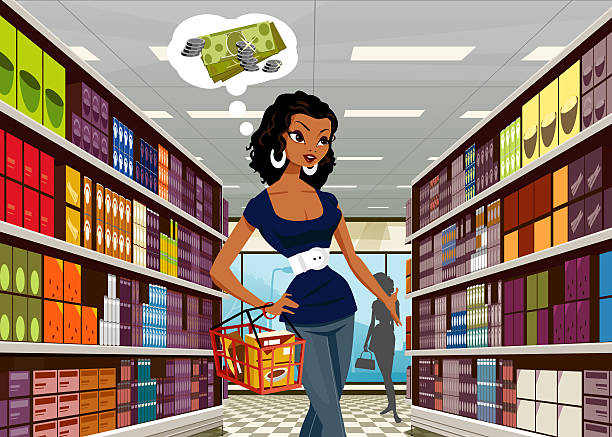
You see it everywhere: that Instagram ad, the TikTok haul, your friend proudly showing off a shiny new gadget. The message is simple—you work hard, so you deserve it. And sure, there is absolutely nothing wrong with treating yourself. But for too many young adults with disposable income, “I deserve it” has become a runaway train of impulse spending. That train derails savings, inflates credit card balances, and leaves behind a closet full of clothes with tags still attached. This isn’t about rejecting fun. It’s about learning to splurge deliberately, so the joy lasts much longer than the initial rush.
The first step is to understand what actually happens in your brain when the urge to buy hits. Retailers and app designers have weaponized your psychology. Countdown timers, “only 2 left” warnings, and flash sales trigger your fear of missing out. Clicking “order” releases a dopamine spike that feels exactly like happiness, but it fades quickly. Like any drug, the more you give in, the more you need to chase the same buzz. That explains why you have three phone chargers you never use and a drawer full of beauty products that expired before you opened them. Recognizing this isn’t weakness—it’s the first line of defense.
The no-nonsense fix is a mandatory cooling-off period. For anything over fifty dollars, put it in your cart, begin the checkout process, then close your laptop. Wait seventy-two full hours. If you still want the item after three days, and it genuinely fits your budget, then go ahead and buy it. But now, you are purchasing from reason, not emotion. The magic of this pause is that most impulse urges simply evaporate. You will be amazed at how many things you “absolutely had to have” become completely forgettable within a week.
For the splurges that do survive the wait, change your definition of a good deal. The best deal is never the lowest sticker price. It is the lowest price per use or per moment of joy. A twenty-dollar pair of cheap sunglasses that breaks in a month costs more than a hundred-dollar quality pair you wear for three years. A five-dollar streaming subscription you never open is a total waste, while a fifteen-dollar one you use daily is a genuine bargain. So stop asking “Can I afford this?” and instead ask “How often will I actually use this?” and “What does it cost per hour of real happiness?” A two-hundred-dollar concert ticket to see your favorite band might be ten dollars per hour of pure bliss. Two-hundred-dollar trendy sneakers that hurt your feet and get worn twice? That is a hundred dollars per wear. Let the math make the decision for you.
Another powerful technique is to translate every purchase into hours of your life. Calculate your after-tax hourly wage. That one-hundred-fifty-dollar jacket is not just money—it is five and a half hours of your life sitting at a desk, plowing through spreadsheets, or dealing with a difficult customer. Once you look at it that way, you start to ask whether the item is worth that non-renewable chunk of your existence. Sometimes, the answer is an enthusiastic yes, and that becomes a truly good splurge. More often, the answer is a sheepish no, and at that exact moment, you have already won.
Make your splurges planned events, not random accidents. Set aside a dedicated “fun money” account each month—say, ten percent of your take-home pay. This is your guilt-free play cash. When you spot something you want, let it pass the seventy-two-hour test, and then check your fun money balance. If you have enough, buy it without any shame. If you don’t, you simply wait until next month. This creates a natural budgeting system that doesn’t feel like a straitjacket. You aren’t saying “no forever”; you’re just saying “not right now.” And most of the time, “not right now” quietly transforms into “so glad I skipped that.”
Finally, remember that the excitement of any new purchase fades faster than you expect. Psychologists call this hedonic adaptation. The shine of that new smartwatch dulls within weeks, but the payment and the clutter stick around far longer. To fight this, start a simple “joy check” habit. After every splurge, rate how much happiness it brings you at one week, one month, and three months. Jot it down in a notes app. Over time, you will clearly see which kinds of purchases deliver lasting satisfaction—usually life experiences, quality items you use constantly, and things tied to your personal passions—and which ones were merely temporary sugar highs followed by a regret headache.
You are not broken for wanting to treat yourself. That is entirely human. The real problem is treating yourself like an enemy who needs constant rewards rather than a friend who occasionally deserves a deliberate celebration. So the next time the urge strikes, pause, run the numbers, and then make a choice with both eyes open. When you do splurge, splurge smart. That is exactly how you turn your disposable income into genuine life enhancement, instead of a storage unit filled with would-be joy and actual regret.