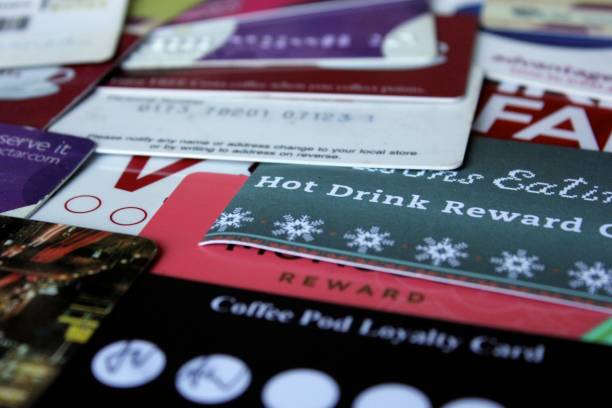
The Art of Combining Store Loyalty Programs with Digital Coupon Browser Tools
The modern consumer is bombarded with opportunities to save, yet many fail to realize the true potential of merging two powerful strategies: joining store loyalty programs and using digital coupon browser tools. While loyalty programs have existed for decades, their digital transformation has created a synergy that, when properly harnessed, can unlock discounts far beyond what either method offers alone. The key lies not just in signing up for every loyalty card you encounter, but in understanding how browser extensions and coupon aggregators can layer additional savings on top of the rewards you already earn from stores.
Consider the typical grocery store loyalty program. You swipe your card or enter your phone number at checkout, accumulating points or earning fuel discounts. That alone might save you a few dollars per trip. But imagine you are shopping online for the same groceries through the store’s website. You have the store’s loyalty account linked to your profile, which automatically applies member-only prices and tracks your points. Now, you activate a browser extension like Honey or Capital One Shopping. As you browse, the extension searches for available coupon codes and applies the best one at checkout. In many cases, these codes stack with loyalty pricing because they are offered by brands or the store itself as separate promotions. Suddenly, you are getting the loyalty discount plus an extra 10% off from a coupon code. That is the first layer of synergy.
But the magic does not stop there. Many store loyalty programs now offer personalized digital coupons that you can load directly onto your account from the store’s mobile app or website. These coupons are often tailored to your purchasing history, giving you discounts on items you frequently buy. Here, browser tools can help you remember to use them. Some extensions allow you to set reminders or automatically apply loyalty-linked coupons when you visit the store’s site. For instance, if you belong to Target’s Circle loyalty program, you can browse Target’s app to clip offers like 20% off a specific brand of cereal. When you later shop online for that cereal, a browser extension might not know about that internal coupon, but if you have already loaded it to your account, it will apply automatically at checkout. The browser tool then can also search for a general Target coupon code that might work on top of that offer, such as free shipping or a percentage off your entire order. This dual attack maximizes savings on a single transaction.
Another often overlooked advantage is the ability to combine loyalty program perks with cashback browser tools. Sites like Rakuten or TopCashback offer cashback percentages when you shop through their links. If you first log into your store loyalty account, then click through a cashback portal, and finally activate a coupon code via a browser extension, you are effectively stacking three discount methods: loyalty points, cashback, and a coupon. For big-ticket purchases like electronics or furniture, this can translate into hundreds of dollars saved. For example, a $1,000 laptop might earn you 5% cashback ($50), a $75 store coupon from a browser tool, and 2% loyalty points ($20) that you can redeem later. That is $145 off—a 14.5% savings that you would never achieve by simply swiping a loyalty card at the register.
To master this art, you need a systematic approach. First, join every loyalty program from stores you frequent. Prioritize those that offer digital coupons loaded to your account rather than paper clippings. Next, install a reputable browser extension that automatically tests coupon codes. But do not rely solely on automation; periodically check the store’s own app for exclusive loyalty coupons that may not be indexed by third-party tools. Finally, use a cashback portal for every online purchase. Create bookmarks or use a browser extension that reminds you to activate cashback before checkout. This three-step process turns each shopping trip into a layered savings event.
One common mistake consumers make is assuming that loyalty programs and coupon tools are mutually exclusive. They fear that using a coupon code from a browser extension might invalidate their loyalty rewards or cause points not to accrue. While some store policies do exclude certain coupon codes from earning points, the vast majority allow both to apply simultaneously. Always check the store’s terms, but in general, manufacturer coupons and store coupons count toward your total purchase for loyalty point calculations. The only exception is when you use a deeply discounted gift card purchased from a third party, but that is a separate tactic.
Finally, remember that loyalty programs often offer bonus point events or multiplier days. If you combine those with a browser extension that finds a high-value coupon, you can multiply your rewards even further. For instance, a “5x points on all purchases” promotion means that a $100 purchase earns you 500 points instead of 100. If you also use a coupon for $20 off, you still get 5x points on the reduced $80? Often, yes, because points are calculated on the pre-discount total or the post-discount total depending on the store. Knowing the difference can help you decide whether to use a coupon or wait for a points multiplier. This is where a browser tool that shows you the final price before checkout becomes invaluable.
In conclusion, the consumer who merely relies on stickering their fridge with paper coupons is leaving money on the table. By actively joining store loyalty programs and then combining them with digital coupon browser tools, you create a feedback loop of savings. The loyalty program gives you baseline discounts and points. The browser tool surfaces hidden coupon codes and cashback opportunities. Together, they form a powerful alliance that turns ordinary shopping into a strategic game. The next time you buy anything online, take thirty seconds to activate your loyalty account, open your browser extension, and click through a cashback portal. That small habit can save you hundreds per year without any extra effort.