
Saving money on groceries and household essentials has become a delicate dance of timing, technology, and tenacity. Among the most powerful tools in the modern consumer’s arsenal are rebate apps—digital platforms that pay you cash back for purchasing everyday items like cereal, laundry detergent, and toilet paper. Yet many shoppers use these apps in isolation, missing out on a far more lucrative strategy known as stacking. When done correctly, stacking multiple rebate apps with in-store sales, manufacturer coupons, and store loyalty programs can turn a modest grocery run into a small profit. The key is understanding how these layers interact without violating any terms of service, and learning to scan your receipts with precision.
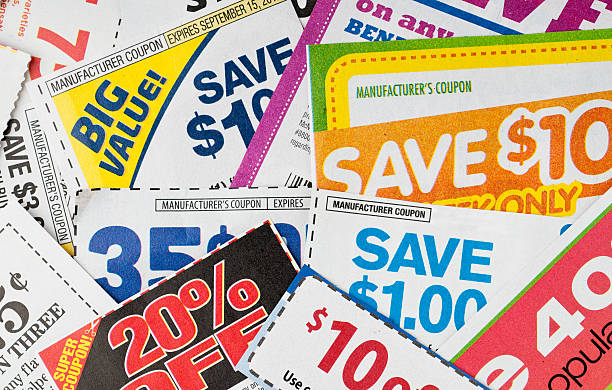
The foundational principle of rebate stacking is that most apps are agnostic to how you pay for an item. Whether you use a coupon, buy the product on sale, or pay full price, the rebate app will still honor its offer as long as you meet its specific requirements—usually a minimum purchase quantity and a valid barcode or receipt image. This means you can combine a store sale of “Buy One Get One Free” with a manufacturer coupon from a Sunday newspaper, and then upload that receipt to Ibotta, Fetch Rewards, and Checkout 51 simultaneously. Each app will credit you for the item, assuming you have activated the offer beforehand. The result is that the item you may have paid pennies for now yields two or three separate rebates, effectively reducing your net cost to zero or even generating a small overage.
However, not all rebates are created equal, and timing matters greatly. Most apps allow you to stack cash-back offers with digital coupons stored on a store loyalty card. For example, a grocery chain might offer a digital coupon for $0.50 off a specific brand of yogurt. If you clip that coupon in the store app, and then also activate a $0.75 rebate in Ibotta for that same yogurt, you can buy the yogurt on its regular sale price of $1.00. The store coupon brings the price down to $0.50, and Ibotta adds $0.75 cash back, resulting in a net profit of $0.25. Multiply that across a dozen items on your list, and the savings begin to compound.
A common mistake among beginners is trying to use a manufacturer paper coupon at the same time as a store digital coupon, but many store systems block this combination. The safer approach is to use either a paper coupon or a store digital coupon, not both, and then add the rebate app on top. Some stores, like Kroger and its affiliates, even allow you to stack two different digital coupons if they come from different sources—one from the store and one from a third-party coupon portal. But the universal rule is that you cannot double-dip on the same manufacturer discount. Rebate apps are usually separate, so they are fair game.
Another powerful layer is the use of cash-back credit cards. After you have combined the sale price, a store coupon, and three rebate apps, you can pay with a credit card that offers an additional 2% to 5% cash back on grocery purchases. This final layer may seem small, but it adds up over a year of consistent shopping. To maximize this, consider using a card with rotating categories that boost grocery returns, such as the Discover It Cash Back or Chase Freedom Flex during their grocery quarters. Just be sure to pay off the balance each month to avoid interest that would negate your savings.
The logistics of rebate stacking require organization. You need to maintain a list of which apps have active offers for items you buy regularly. Ibotta tends to have high-value rebates on name brands but limited quantities. Fetch Rewards gives points for any receipt, but the points are less valuable per item. Checkout 51 offers a mix of dairy, frozen, and pantry staples. You can use a smartphone note or a dedicated app like Grocery Pal to track which offers are live before you leave for the store. The critical step is to activate the offer in each app before scanning the product at checkout—some apps require you to scan the product barcode in the store as a proof of intent.
One often overlooked nuance is the receipt quality required for successful redemption. Many rebate apps use optical character recognition to read the store name, date, and item list. A crumpled receipt, one that is printed on thermal paper that fades, or a receipt that is cut off at the edges may be rejected. To avoid frustration, always take a flat, well-lit photo of your full receipt immediately after checkout. Some apps also require a specific store identification code or loyalty card number printed on the receipt. If you shop at multiple stores, keep receipts separate and organized.
Ethical and legal considerations also matter. Rebate stacking is not coupon fraud as long as you are actually purchasing the products and not using counterfeit coupons or manipulating barcodes. Every rebate app has terms that prohibit using multiple accounts or falsifying purchases. Stacking across different apps is explicitly allowed because each app is an independent service paying you for your proof of purchase. However, attempting to submit the same receipt to the same app multiple times will get you banned.
The time investment might seem daunting, but efficiency improves with practice. Dedicate ten minutes each week to browsing your go-to rebate apps for offers that align with your meal plan. Combine those offers with the weekly sales circular from your preferred grocery chain. Then create a targeted shopping list of only those items that yield the highest net savings. Over time, you will develop a sixth sense for which products are likely to appear on multiple apps simultaneously—for example, paper towels, coffee, and cleaning supplies often have overlapping, rotating offers.
Ultimately, the art of rebate app stacking transforms the mundane chore of grocery shopping into a rewarding puzzle. It teaches you to see every product as a potential source of profit rather than a simple expense. With discipline and a bit of patience, you can reduce your household spending by 20 to 30 percent each month, all while earning real cash or gift card rewards that stretch your budget further. The next time you walk down the cereal aisle, remember that the real bargain is not just the sale price—it is the combination of sales, coupons, and rebates all working in concert.