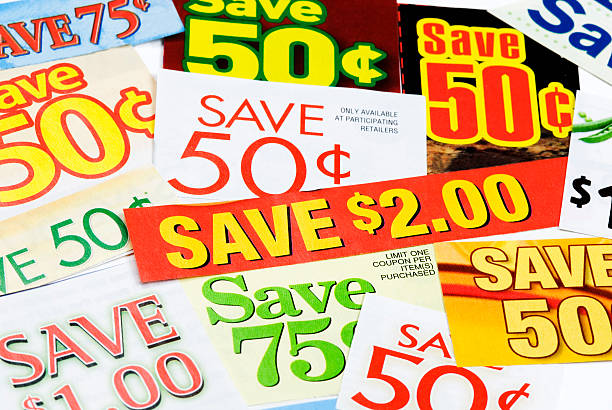

For the savvy consumer, simply joining a store loyalty program is only the beginning of a much larger opportunity. The true magic occurs when you combine those membership perks with the precise power of digital coupons, browser extensions, and strategic shopping timing. This technique, known as reward stacking, transforms routine purchases into layered savings events that can bring total discounts far beyond what any single coupon or reward point can achieve.
At its core, reward stacking is the practice of using multiple, compatible savings methods on a single purchase. A store loyalty program might offer you points or cash back on every dollar spent. Meanwhile, digital coupons clipped through the store’s app or website provide immediate discounts on specific items. Browser tools like automatic coupon finders or cash-back extensions add yet another layer. When these elements align, a $100 purchase can become a $70 purchase or even less, all without clipping a single paper coupon or searching for a promo code manually.
Consider a typical scenario at a grocery chain with a robust loyalty program. You sign up for the store’s free membership, which gives you access to exclusive digital coupons that are loaded directly onto your account. Before heading to the store, you browse the app and clip offers for items you already plan to buy — perhaps a dollar off a brand of cereal or a buy-one-get-one deal on yogurt. At checkout, the digital coupons apply automatically because the cashier scans your loyalty card or phone number. But the savings do not stop there. Many grocery loyalty programs also earn you points per dollar spent, which can later be redeemed for discounts on gas, future grocery bills, or even special member-only pricing on certain products. By using the digital coupons and then earning points on the remaining total, you are effectively stacking two forms of value from the same program.
Now introduce an external browser tool. When shopping online at a department store that also runs a loyalty program, you can take stacking even further. Before you hit checkout, activate a cash-back browser extension like Rakuten or Honey. These tools partner with thousands of retailers to give you a percentage of your purchase back, often anywhere from one to ten percent. If you are also logged into the store’s loyalty program, you might be earning rewards points on that same transaction. Some loyalty programs offer bonus points for using the store’s branded credit card, which itself might have its own cash-back or point structure. That is three layers: loyalty points, cash-back extension, and credit card rewards. And if the browser extension also finds a working promo code that the store’s loyalty program accepts, you have a fourth layer.
The key to successful stacking is understanding compatibility. Not all discounts can be combined. Store policies vary widely: some exclude clearance items from loyalty point accrual, while others allow you to use multiple promo codes. Reading the fine print of both the loyalty program and the coupon is essential. For instance, a store might allow you to use a manufacturer’s digital coupon alongside your loyalty discount, but not two store-issued coupons at once. Browser extensions generally work independently of the store’s internal system, so they are almost always stackable, but be aware that cash-back may not be calculated on the discounted total if the coupon reduces the price too much. Experimenting with small purchases can help you learn the rules of your favorite stores.
Timing is another crucial factor. Many loyalty programs offer double or triple points events on certain days, or they send targeted digital coupons to your account based on your purchase history. Combine those with a seasonal sale and a cash-back promotion from your browser tool, and you can turn a routine clothing restock into a money-saving masterstroke. For example, a department store may run a Friends and Family sale offering twenty percent off everything. If you also have a loyalty reward certificate for ten dollars off a purchase over fifty dollars, and you activate a five percent cash-back browser extension, you will earn loyalty points on the discounted total. Even better, if you use the store’s credit card that gives an additional percentage back, your net cost can be drastically reduced.
However, reward stacking requires discipline. The temptation to buy unnecessary items just to chase a larger discount is real. The most successful consumers treat stacking as a tool for items they already need, not as a reason to spend more. They plan their purchases around the convergence of loyalty perks and digital offers. They also keep track of expiration dates for both loyalty points and digital coupons, ensuring nothing goes to waste.
In the end, mastering reward stacking transforms the act of shopping from a simple exchange of money for goods into a strategic game. The loyalty program gives you the foundation — a way to earn long-term value. Digital coupons and browser tools provide the immediate discounts. Combined, they create a multiplier effect that rewards the informed consumer. Instead of asking “What can I save today?” the stacked shopper asks “How many ways can I save on this one purchase?” The answer, with a little practice and patience, is often more than you might imagine.