
Free trials are one of the most deceptive marketing tools in the modern consumer landscape. They present themselves as an opportunity to test a service with zero risk, yet they quietly transform into recurring charges with alarming ease. The mechanics are simple: you provide your credit card information, enjoy a month of premium access, and then forget about it. Thirty days later, the first charge appears, and unless you catch it, it will repeat month after month. This is not accidental. Companies design their trial-to-paid conversion process to be as frictionless as possible for them and as forgettable as possible for you. The burden of remembering falls entirely on the consumer, and that is precisely where the trap snaps shut.
Understanding the free trial trap begins with acknowledging how your own psychology works against you. Humans are wired to defer decisions, especially when the immediate cost is zero. Signing up for a trial feels like a win—you get something for nothing. Your brain registers the benefit without tagging a future liability. The cognitive load of setting a reminder, marking a calendar, or even writing down the cancellation date feels like unnecessary work when the trial seems so far away. This phenomenon, known as temporal discounting, causes you to undervalue future consequences in favor of present rewards. At the same time, companies exploit a legal loophole: by collecting your payment information upfront, they effectively gain permission to charge you after the trial ends unless you take active steps to stop it. Inertia becomes your enemy. Once the first charge hits, many consumers feel it is easier to let the subscription continue rather than navigate cancellation pages, find passwords, or deal with customer service.
The financial damage from free trials is far from trivial. A single forgotten trial for a streaming service, a meal kit delivery, or a cloud storage plan might cost ten or fifteen dollars a month. But most consumers do not fall for just one trial. They sign up for several across different categories—entertainment, productivity, fitness, beauty boxes—and the charges pile up unnoticed. A study by a consumer finance firm found that the average American household loses over two hundred dollars per year to subscriptions they no longer use or never intended to keep. Free trials account for a significant portion of that waste because they are the entry point for so many unwanted services. Over a decade, that lost money could have funded a vacation, paid down debt, or grown in a savings account. The trap is not a one-time mistake; it is a recurring leak that erodes your financial stability one small charge at a time.
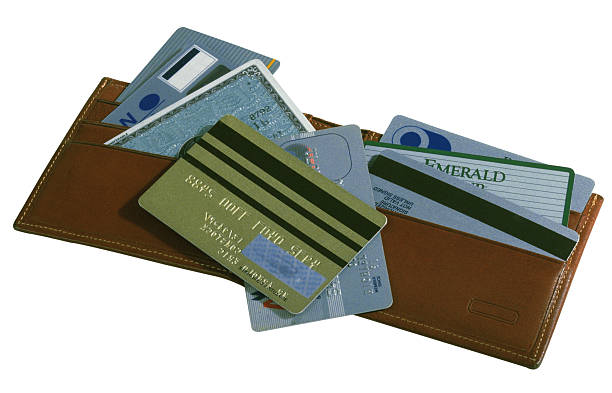
To escape this trap, you need a systematic approach rather than willpower alone. The first step is to change how you sign up for trials in the first place. Before entering your payment information, pause and ask yourself whether you genuinely intend to use the service after the trial. If the answer is no, do not sign up. If the answer is maybe, treat the trial as a paid experiment: set a firm cancellation date and put it in your calendar with an alert two days in advance. Many people benefit from using a dedicated virtual credit card number that has a low spending limit or an expiration date tied to the trial period. Some banks and payment apps allow you to generate one-time use numbers that decline after a single transaction, ensuring that no recurring charge can process. Another effective tactic is to subscribe using a gift card or prepaid card with only enough balance to cover any initial fees but nothing beyond that. When the card runs out, the payment fails, and the subscription automatically cancels without any action on your part.
Beyond prevention, you must conduct regular audits of all recurring charges. This goes hand in hand with the broader practice of auditing subscriptions and memberships. At least once every quarter, pull up your bank statement, credit card statements, and any digital wallet transaction histories. Look for charges that appear with the same amount month after month or year after year. Highlight every charge you do not recognize immediately. Then investigate each one. You will be surprised by how many small charges you have simply absorbed into your budget without noticing. A fitness app you tried for a month, a magazine subscription that auto-renewed, a cloud storage upgrade you never needed—these are the silent drain on your finances. Once you identify them, cancel ruthlessly. Do not fall for the retention offers that many companies will dangle; remember that a discount on a service you do not use is still a waste of money.
Finally, consider consolidating your subscriptions into a single billing method that you review diligently. Some consumers use a separate credit card exclusively for subscriptions, making it easier to scan for charges. Others leverage apps that track subscriptions and send alerts before renewal dates. While these tools require an initial setup, they automate the vigilance that your brain cannot maintain. The goal is to shift from reactive surprise to proactive control. Every free trial you avoid, every unwanted subscription you cancel, becomes money you keep. In the long run, mastering the free trial trap is not just about saving a few dollars—it is about reclaiming the authority over your own spending habits and ensuring that your money flows only where you consciously choose.