
The thrill of finding a pristine cashmere sweater or a barely worn pair of designer trousers at a thrift store is a feeling every cost-conscious shopper knows. But the true magic of secondhand fashion lies not just in the hunt, but in what happens after you bring that treasure home. Too often, a promising garment gets left on the rack or shoved to the back of a closet because the sleeves are an inch too long, the waist nips a little too tightly, or the shoulders slump from a previous owner’s frame. This hesitation is a missed opportunity. Learning to see secondhand clothes as raw material — fabric that can be reshaped, shortened, or taken in — unlocks a level of savings and personal style that brand-new retail cannot match. The cost of a simple alteration is almost always far less than the price difference between a thrifted piece and its full-retail equivalent, and the result is a garment that fits you perfectly, as if it were made just for you.
The biggest barrier most shoppers face is a fear of the unknown. They do not know how to assess a garment for alteration potential, and they assume tailoring is expensive or complicated. In reality, the majority of standard alterations are both affordable and straightforward. A pants hem, for example, costs anywhere from ten to twenty dollars at a local tailor, while a pair of trousers bought new could run fifty or a hundred dollars more than the thrift store price. Even a more involved change like taking in the waist of a skirt or shortening jacket sleeves rarely exceeds thirty or forty dollars. When you compare that to the original retail price of the item, the math becomes undeniable: a forty-dollar thrifted blazer that needs a thirty-dollar sleeve adjustment still costs seventy dollars total, whereas a similar new blazer might be two hundred dollars or more. The savings compound when you buy in bulk or learn to do simple alterations yourself.
Another overlooked benefit is the environmental and ethical advantage of extending a garment’s life through alteration. The fashion industry is one of the largest polluters on the planet, and each piece of clothing that stays out of a landfill for an extra decade reduces demand for new production. By choosing to alter a thrifted item rather than buying something new, you are voting with your wallet for a slower, more thoughtful approach to consumption. You also sidestep the ethical issues associated with fast fashion, such as exploitative labor practices and the use of cheap synthetic materials that degrade quickly. A tailored secondhand garment often contains higher-quality natural fibers like wool, linen, or silk that hold up better over time, and you get to preserve that quality without paying luxury prices.
Developing a tailor’s eye is easier than you might think. Start by examining the seams and construction. Garments with simple, straight seams are the easiest to alter. Look for generous seam allowances — the extra fabric hidden inside the hem or side seams. A wide seam allowance means the tailor has room to let the garment out or take it in without compromising the design. Avoid pieces with complex darts, princess seams, or extensive lining unless you are willing to pay for more advanced work. Also pay attention to patterns and plaids; altering a plaid skirt requires matching the pattern, which adds complexity and cost. Silhouettes that are classic and timeless, such as A-line skirts, straight-leg trousers, button-down shirts, and blazers with minimal shoulder padding, are the most forgiving for alterations.
If you are new to tailoring, start with the simplest projects. Hemming pants or skirts is an excellent first step because it is cheap, fast, and dramatically improves how the garment fits. Shortening sleeves is slightly trickier because you must preserve the button placket or cuff detail, but many tailors can do this for a reasonable fee. Taking in the waistband of trousers or skirts is another common adjustment that can transform a loose, shapeless garment into a sleek, fitted piece. For dresses and tops, side seam adjustments are straightforward. Once you become comfortable with these basics, you can move on to more ambitious projects like resizing a blazer, turning a dress into a top, or adding darts to create shape in a shapeless fabric.
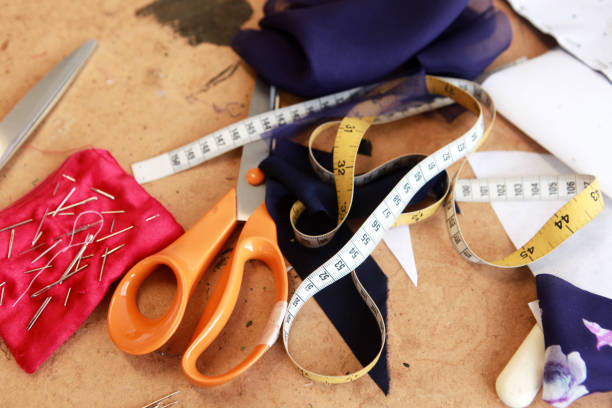
Learning to do simple alterations yourself will multiply your savings even further. A basic sewing machine, a good pair of fabric shears, a seam ripper, pins, and a measuring tape cost less than a single trip to a department store. Online tutorials abound for hemming, taking in seams, and adjusting waistbands. You do not need to be an expert seamstress; even a beginner can achieve acceptable results with patience and practice. The satisfaction of wearing a piece you altered yourself is immense, and it deepens your connection to your wardrobe. Each stitch you make becomes an act of personal expression.
The hidden value of thrift store tailoring is not just about money. It is about reclaiming agency over your style. When you stop accepting clothes as they are and start seeing them as potential, you enter a world where fit is not a limitation but a canvas. A blazer that would normally be too boxy becomes sleek and modern after a simple narrowing of the shoulders. A pair of wide-leg trousers from the eighties gets a fresh life with a crop and a new hem line. Vintage dresses that were designed for different body types can be adjusted to flatter yours. The result is a wardrobe that feels bespoke, unique, and deeply personal — all without paying custom designer prices. So next time you spot that near-perfect skirt that is just a little too long, or that coat whose sleeves fall past your fingertips, do not walk away. Grab it, head to the tailor, and discover the transformative power of a few well-placed stitches.