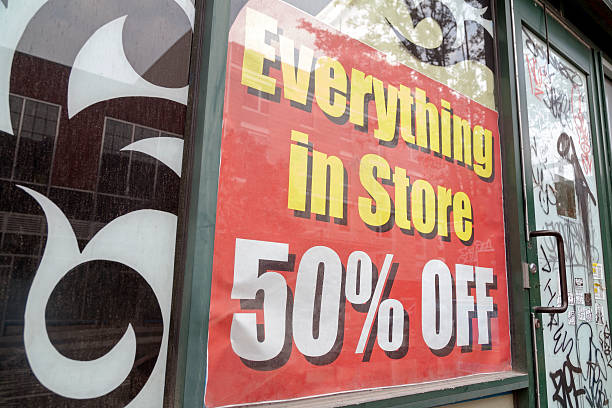

Every seasoned shopper knows the intoxicating pull of a red sale tag, but the true mastery of apparel economics lies not in buying what is on sale today, but in knowing when to buy nothing at all. Waiting for seasonal clearance cycles is one of the most powerful yet underutilized strategies for slashing clothing costs, yet many consumers fail to reap its full rewards because they lack a precise understanding of the retail calendar. To save substantially on apparel, one must learn to think like a retailer, anticipate inventory turnover, and embrace a patience that can feel almost countercultural in an age of instant gratification. The secret is not just waiting for clearance, but waiting for the right clearance at the right moment.
Retailers operate on a predictable rhythm built around the seasons that is as reliable as the tides. Most stores introduce new collections about six to eight weeks before the season begins, pricing them at full retail to capture early adopters and trend-seekers. As the season progresses, markdowns appear gradually, but the deepest discounts are reserved for the moment when the season is ending and the store needs to clear shelf space for the next wave of merchandise. For example, heavy winter coats and boots hit their lowest prices in late February or early March, not during the holiday sales in December. Swimsuits and sundresses become deeply discounted in August, often by as much as seventy percent, just as the weather is turning cooler. The key is to resist the urge to buy a coat in November when you see a modest twenty percent off, knowing that if you wait until the end of February, you might find the same coat at sixty percent off or more.
Yet this strategy requires more than just calendar awareness; it requires a certain psychological fortitude. The human mind is wired to seek immediate rewards, and the sight of a sale label triggers a dopamine response that can override rational decision-making. Retailers exploit this by offering shallow discounts early in the season, creating a false sense of urgency with phrases like “limited time offer” or “while supplies last.” The conscientious consumer must learn to recognize these tactics and separate genuine clearance events from promotional noise. True seasonal clearance cycles are marked by systematic reductions that follow a predictable pattern: an initial markdown of twenty to thirty percent, followed by deeper cuts of forty to sixty percent, and finally a last-chance liquidation at seventy to eighty percent off, often combined with additional coupon codes or loyalty rewards. The trick is to gauge how fast inventory is moving and to decide when to pull the trigger. If an item is already down to a size you need and the stock is dwindling, it may be worth buying at forty percent off rather than risking a sellout. But if the item remains plentiful, waiting for the next markdown tier often pays off.
Another crucial element of mastering seasonal clearance is understanding the difference between fashion cycles and basic inventory cycles. Trend-driven items—such as a particular cut of jeans or a bold color that was popular for only one season—face a more aggressive clearance schedule because they lose relevance quickly. Basics, on the other hand, such as solid-colored T-shirts, classic denim, and neutral sweaters, tend to sell more steadily and may not see the steepest markdowns until the very end of the season. For the cost-conscious shopper, this means that investing in timeless wardrobe staples during off-season clearance yields the greatest long-term value. A white cotton button-down bought in September for a fraction of its original price will still be wearable the following spring, whereas a neon floral dress purchased on deep discount may feel dated by the time you can actually wear it. Planning ahead with a mental list of items you truly need, and being willing to delay gratification for months, transforms clearance shopping from a haphazard hunt into a deliberate act of financial wisdom.
Beyond the simple calendar, savvy consumers also leverage technology to maximize their chances. Price-tracking browser extensions and apps can alert you when a specific item drops to a target price, removing the need to visit the store or website repeatedly. Signing up for store newsletters provides early access to additional markdown events, but be wary of being persuaded by frequent flash sales that are not true seasonal clearances. The most effective strategy is to set a mental budget and a price threshold for each item, and then refuse to buy until that threshold is met, no matter how tempting the intermediate sale. This discipline is the difference between saving a little and saving a lot. For instance, a high-quality winter parka originally priced at three hundred dollars might appear at one hundred and fifty dollars during a holiday sale—a seemingly good deal. But if you know that the same parka will be sixty dollars in March, waiting saves you ninety dollars, which is the equivalent of a free pair of boots or a week’s worth of groceries.
There is also a social and environmental upside to waiting for seasonal clearance. By buying off-season, you are helping to reduce waste; unsold clothing that is not cleared often ends up in landfills or is incinerated. When you purchase a coat in March that would otherwise be marked down to near-zero or discarded, you are extending its useful life and decreasing the demand for new production. Moreover, the money you save can be redirected toward higher-quality pieces that will last longer, or toward other financial goals entirely. The habit of waiting transforms your relationship with consumption itself: you become a selector rather than a responder, someone who shops with intention rather than compulsion.
In the end, the art of waiting for seasonal clearance cycles is not about deprivation; it is about empowerment. It is a quiet rebellion against the relentless marketing machine that tries to convince you that every moment is a moment to buy. By learning the cadence of the retail year, training yourself to delay gratification, and using simple tools to track prices, you can cut your clothing spending by half or more without sacrificing style or quality. The next time you see a sign that says “sale,” ask yourself: is this the real clearance, or just a promise of one to come? The answer could save you hundreds of dollars annually, and maybe even change the way you think about every purchase you make.