The Straight Truth on Store Loyalty Programs and Rewards
Let’s cut to the chase. Store loyalty programs are everywhere because they work—for the stores. Your personal information and shopping data are the price of admission. But that doesn’t mean you can’t make them work for you, too. The key is to join strategically, not indiscriminately, and to pair them with digital tools to maximize the payoff without paying the hidden price.
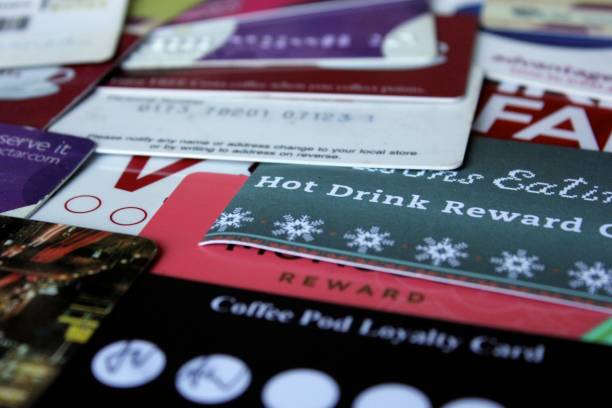
The first rule is to be selective. Signing up for every program you see is a fast track to a clogged inbox and a fragmented sense of your own spending. Focus on the stores where you already shop regularly. Grocery stores, pharmacies, and gas stations are typically high-value targets because you visit them often. For big-ticket purchases like electronics or home goods, a single program at your preferred retailer can yield significant rewards on a major purchase. The goal is to concentrate your spending where the points or cashback will actually accumulate to something useful, not to collect a drawer full of keychain tags that never get used.
Understand the currency. Programs trade in different rewards: points for future dollars off, direct cashback, or free items. Know what you’re earning and its real value. A point is not a penny until the program says it is. Also, pay close attention to expiration policies. Nothing wastes effort like letting $50 in rewards vanish because you missed an email. A simple calendar reminder can save real money.
This is where digital mastery comes in. Your loyalty account should never live in isolation. It’s one tool in your savings arsenal. The real power comes from combining your member discounts with digital coupons and browser tools. Most major store apps have a digital coupon “clip” center. Load these offers directly to your loyalty account before you shop. This step is non-negotiable. Walking into the store without pre-loaded offers means leaving money on the table. The register will not automatically give you the best price; it will only apply the discounts you’ve actively claimed.
Take this a step further with browser extensions. Install reputable coupon finders and cashback tools. When you’re shopping online, these extensions can automatically scan for promo codes at checkout and alert you if a purchase has a cashback offer. Crucially, they can often be stacked with your loyalty program discounts. You might pay with your loyalty account to earn points, use a browser-found promo code for an extra 15% off, and still get 3% cashback from the extension. This layering effect is where significant savings happen. It turns a passive program into an active hunting tool.
Protect your data because it’s the real cost. Use a dedicated email address for all loyalty sign-ups. This keeps promotional spam out of your primary inbox and reduces security risk. Never use the same password for a store account as you do for your email or bank. Be stingy with permissions. If an app asks for location data at all times, say no. You can enable it only when you’re physically at the store to check for deals. Read the privacy policy in simple terms: what are they tracking, and who might they sell that data to? If the terms are too vague or invasive, skip the program. Your data has value; don’t give it away for a one-time 10% discount.
In the end, loyalty programs are a transaction. You trade some privacy and shopping habits for potential savings. To come out ahead, you must be the more disciplined party. Join only where it counts, actively combine your member status with every other digital discount available, and guard your personal information fiercely. Used with a clear-eyed, tactical approach, these programs can provide genuine value. Used thoughtlessly, they’re just another way for companies to watch you shop. The choice, and the savings, are yours.