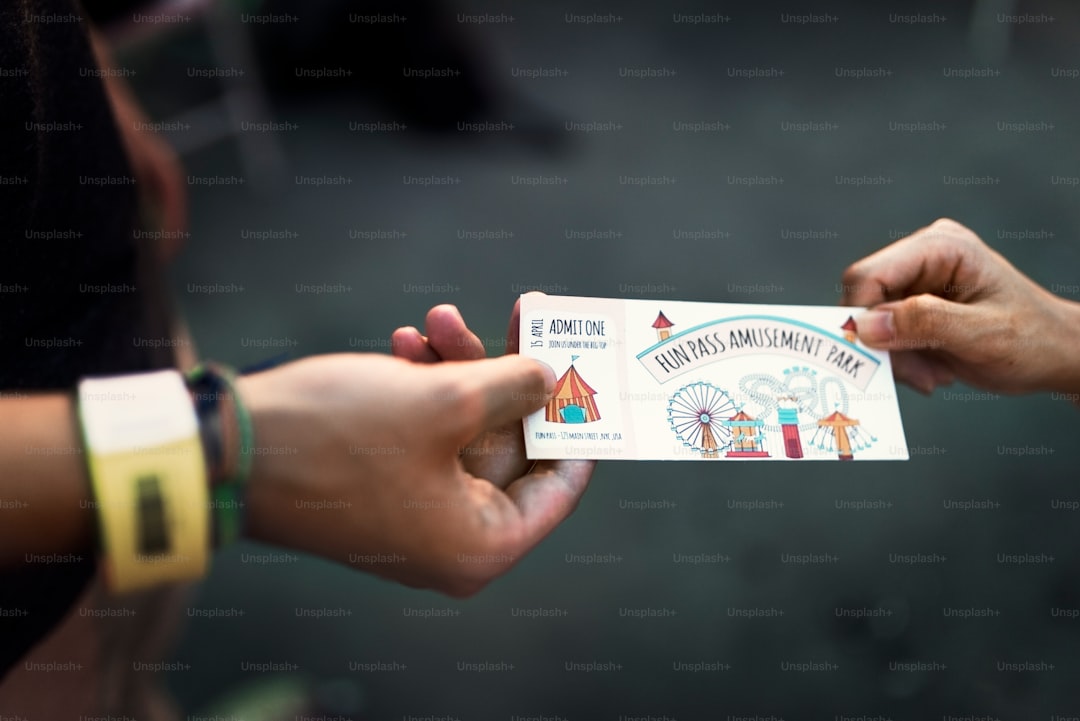

In an era where the cost of a single museum ticket can rival a nice dinner out, finding ways to experience culture without breaking the bank has become a modern consumer superpower. While many savvy shoppers hunt for coupon codes and flash sales, one of the most powerful savings tools sits quietly in their wallet or smartphone: the library card. Beyond borrowing bestsellers and streaming movies, public libraries across the country offer an extraordinary benefit that frequently goes overlooked—free or deeply discounted museum passes. For anyone looking to slash travel and entertainment costs, mastering the art of the library museum pass program can transform a weekend outing or a family vacation into a rich, affordable adventure.
The concept is deceptively simple. Thousands of library systems partner with local museums, science centers, zoos, aquariums, botanical gardens, and historic sites to provide patrons with complimentary admission passes. These passes are typically available to any cardholder in good standing, and they often cover a family of two to four people. In many cases, the retail value of a single pass can exceed fifty dollars, meaning one visit can pay back the cost of a library card—which is already free—many times over. The catch is that these passes are popular, so they require advance planning and a bit of strategy.
To begin tapping into this resource, the first step is to visit your local library’s website or call their reference desk. Not all libraries advertise museum passes prominently, so you may need to search under terms like “cultural passes,” “experience passes,” or “explore passes.” Some libraries use online reservation systems where you can check availability and book a specific date. Others operate on a first-come, first-served basis, with physical passes that must be picked up in person. Knowing the system ahead of time prevents disappointment when you show up on a Saturday only to find every pass already checked out.
Once you understand the mechanics, the real fun begins: planning your trips. Because library passes are often limited to one per household per week or month, you need to prioritize. If you live in a major metropolitan area, you might have access to dozens of institutions, from world-class art museums to hands-on science centers. For frequent travelers, the value multiplies. Many library systems allow you to borrow passes for museums outside your immediate city, meaning you can reserve a pass for a destination you plan to visit on a weekend trip. Some libraries even participate in reciprocal programs, where a pass from one institution grants discounts at partner venues nationwide. This kind of network effect can turn a single library card into a golden ticket for an entire vacation.
Families with children reap perhaps the greatest rewards. A trip to a children’s museum or an aquarium can easily cost a hundred dollars for a family of four. Library passes often cover exactly that, allowing parents to expose their kids to hands-on learning without worrying about the price tag. Moreover, many museums offer separate discounts for library cardholders even when the official pass program is booked. Asking at the admissions desk, “Do you offer a library discount?” can sometimes yield fifteen to twenty percent off, simply because the museum has a standing agreement with local libraries.
Another angle that consumers frequently miss is the overlap between library passes and museum membership programs. If you fall in love with a museum after visiting on a free pass, you may qualify for a reduced membership rate or a credit toward an annual pass. Some libraries also offer “culture passes” that include not just admission but also parking, special exhibition access, or a discount at the museum store. Reading the fine print on your pass ensures you get every perk you are entitled to.
Timing is everything. Museum passes are most in demand during school holidays, summer weekends, and rainy days. If your schedule is flexible, booking a pass for a Tuesday or Wednesday morning can dramatically increase availability. Additionally, many libraries release passes for future dates at midnight or at a specific time each week. Setting a calendar reminder for that moment can give you an edge over other sharp consumers.
Beyond the savings, using library passes fosters a deeper connection to your community. You end up exploring hidden gems you might otherwise skip, from a local historical society to a niche museum dedicated to antique toys or regional geology. This turns ordinary weekends into mini-adventures, all funded by a resource you already support through your taxes. For travelers, researching the library museum pass program in a city you plan to visit can be a game-changer. A quick call to the local public library before you leave can confirm whether non-residents can check out passes, or if you can obtain a temporary visitor card with a small deposit. Some libraries even offer digital passes that you can load onto your phone, eliminating the need to pick up a physical ticket.
In a world where the cost of entertainment continues to rise, the humble library card remains one of the most versatile tools in the consumer’s arsenal. By learning how to navigate museum pass programs, you unlock not just savings but also a richer, more varied cultural life. The next time you plan an outing, resist the urge to open a booking site and type your credit card number. Instead, open your library’s website first. The pass you find could be the key to a free afternoon of wonder—and a reminder that the best deals often come from the most unexpected places.