
If you have ever searched for flights to Europe in July only to gasp at the fares, then looked again in September and wondered if the airline had made a mistake, you have already brushed up against one of the most powerful money-saving concepts in the consumer world: the shoulder season. Originally a travel industry term, the idea of a shoulder season has far broader implications for anyone trying to stretch a dollar, whether they are booking a vacation or simply replacing a winter coat. At its heart, a shoulder season is that magical pocket of time squeezed between the frenzy of peak demand and the sleepy lull of the off-season. It is the moment when the crowds have thinned, the weather remains inviting, and the price tags suddenly become much more approachable. Understanding exactly what shoulder seasons are, why they exist, and how to apply the principle beyond just a getaway can save a household hundreds or even thousands of dollars a year without sacrificing quality.
The phrase itself comes from a simple visual metaphor. Imagine a graph of demand for a destination throughout the year: it spikes into a tall, steep peak during summer vacations or the winter holidays, then plummets into a deep valley during the dreary, too-cold or too-hot months. The stretches that connect the peak to the valley slope downward gently, looking exactly like a pair of shoulders on either side of the high point. For most temperate destinations in the Northern Hemisphere, the sweet spot falls in late spring, roughly mid-April through early June, and again in early autumn, from the day after Labor Day until the leaf-peeping madness subsides in late October. Hotels in Mediterranean coastal towns, for instance, scramble to fill rooms in early May before the school holidays begin, and vineyard-hopping tourists in late September enjoy sun-drenched afternoons without the August crush. The same rhythm applies in reverse to tropical escapes: a Caribbean resort hits its price peak around Christmas, but the weeks right after spring break and before hurricane season ramp up in late June are textbook shoulder, offering sunny skies at a steep discount. Even ski destinations have their own version, with early December before the holiday crowds and late March after the snowpack softens providing a vastly cheaper ticket to the slopes.
The reason these windows are such a sweet spot for your wallet is rooted in basic supply and demand economics, but without the punishing trade-offs of a true low season. During peak times, airlines, hotels, and tour operators know they can charge top dollar because vacationers are locked into rigid school or work schedules and are often willing to pay a premium for a guaranteed experience. During the off-season, the price may plummet, but you might find half the restaurants shuttered, monsoon rains washing out your plans, or a construction crane ruining the view. Shoulder seasons sit beautifully in the middle. Demand is moderate, so providers slash prices to keep occupancy and flight loads healthy, yet the destination is still fully operational with pleasant, if not picture-perfect, weather. That translates into concrete numbers: a round-trip flight to Rome that costs $1,300 in July can dip below $600 in early October. A boutique hotel that demands $400 a night in August might quietly offer the same room for $220 in mid-May, perhaps throwing in breakfast or a spa credit to sweeten the deal. The savings cascade further. Car rental agencies and local guides lower their rates, award seats on points and miles become dramatically more available, and you can afford to linger longer or upgrade your stay for the same total budget.
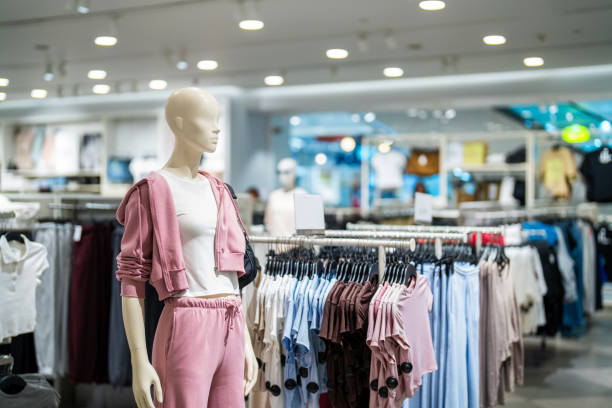
Yet the brilliance of the shoulder season concept does not stop at the departure gate. Savvy shoppers have been applying an identical logic to retail purchases for generations, even if they never used the travel industry’s vocabulary. Every product has its own rhythm of high and low demand, and the period just after a season ends but before the clearance racks are picked clean is the retail shoulder season. It pays to train your eye on those transitional windows. The classic example is winter apparel: when January rolls around, stores are already receiving shipments of spring merchandise, and those puffy coats and cashmere sweaters that were full price before Christmas suddenly get marked down by forty or fifty percent. This is the shoulder moment—the weather is still bitterly cold in much of the country, so the coat is perfectly useful, but the retail calendar has moved on. Wait too long into March, and you will be sifting through the dregs in odd sizes. Similarly, patio furniture and grills hit their pricing sweet spot in August, as retailers clear floor space for Halloween and holiday displays. You can grill steaks on a brand-new stainless steel model through October, having paid half what your neighbor shelled out in May. Even big-ticket electronics follow the pattern. Television prices find their shoulder after the Super Bowl advertising hype fades and new models are announced in the spring, but before the old stock vanishes, creating a narrow bargain window for a high-quality set. The principle unites these diverse examples: you are buying the exact same product, with its full warranty and usefulness, by simply timing your purchase to the quiet ebb after peak excitement.
Making the most of shoulder seasons, whether for travel or for tangible goods, requires a slight mental shift but very little extra effort. For trips, flexibility is the ultimate savings tool. Set a broad destination wish list and let price dictate timing, rather than the other way around. Use fare alert tools and flexible date searches to spot the moment airfare drops off a cliff from summer heights to autumn tranquility. When shopping for physical items, learn the annual release cycles of the brands you love. Track the price history of a specific model on sites that chart Amazon fluctuations, and set a reminder to check back when the next generation is imminent. In both cases, you are not settling for less; you are simply choosing to step out of the herd that is all rushing to the cash register at the exact same instant. The experience itself often improves. A shoulder-season vacation means you are not jostling for a selfie spot in a crowded piazza or waiting an hour for a museum ticket you could have bought walking right up to the door. A shoulder-season purchase means you can take your time comparing options without the pressure of a doorbuster frenzy.
Ultimately, the shoulder season is a philosophy of patience and precision. It rejects the false choice between paying full price and scraping the bottom of the barrel. By living in the sweet spot just to the left or right of peak demand, you unlock a level of value that makes luxury accessible and everyday essentials less painful. Whether the shoulder you are leaning on belongs to a Mediterranean spring or a post-holiday clearance rack, the result is the same: a fuller life and a fatter bank account, all because you knew when to show up.