
Buying secondhand clothing is not a compromise; it’s an upgrade. It’s a direct financial strategy that cuts your clothing costs by 50%, 70%, or even 90% without sacrificing quality. This isn’t about settling for less. It’s about getting more for your money, acquiring better materials and construction than you could typically afford new, and doing so with a clear conscience. The modern thrift landscape has evolved far beyond dusty racks, offering a savvy path to a superior wardrobe.
The math is straightforward and compelling. A fast-fashion sweater might cost $30 new and lose its shape after a season. A pristine cashmere sweater from a thrift store might cost $15. A department store dress shirt for $60 is easily matched by a like-new, brand-name equivalent for $8 at a consignment shop. This price differential is your most powerful tool. It allows you to reallocate funds, whether that means building a more robust wardrobe, saving for a larger goal, or simply keeping more money in your pocket. The savings are immediate and tangible on every single purchase.
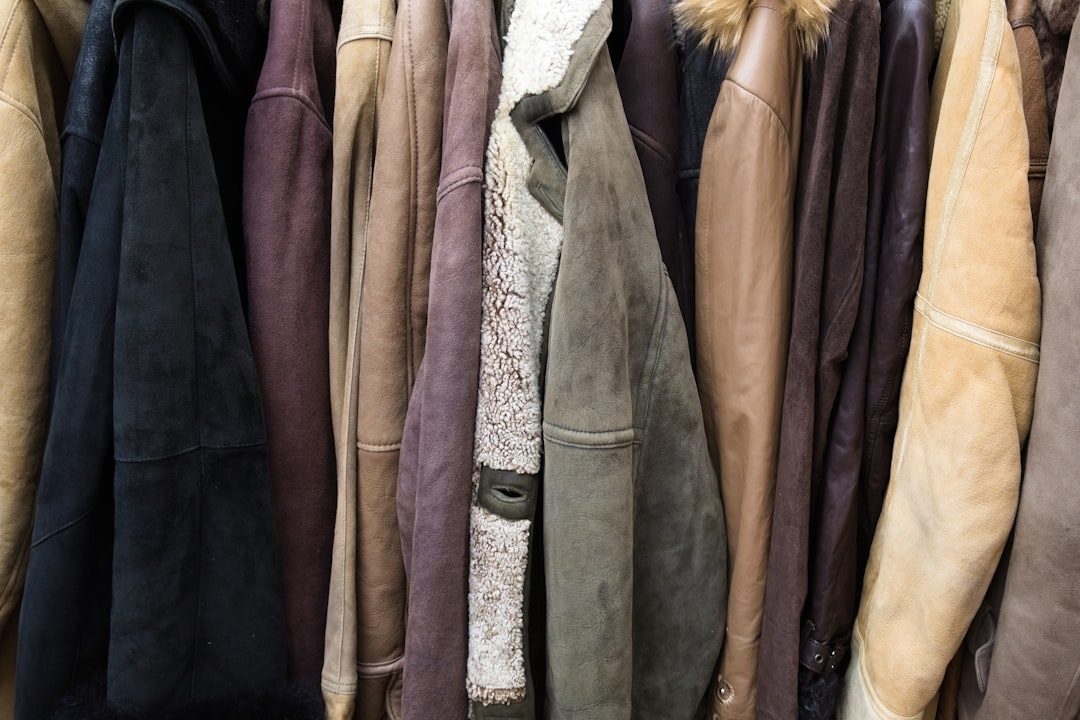
Beyond the price tag, secondhand shopping grants access to a tier of quality often absent from today’s mainstream retail. Fast fashion is built on planned obsolescence—clothes designed for a handful of wears. Thrift stores, however, are archives of durability. You find garments from eras when stitching was stronger, fabrics were natural and heavier, and styles were more timeless. A leather jacket, a wool coat, or a well-made pair of denim jeans that have already stood the test of time for a decade are proven investments. You are buying the remainder of a product’s life, and for a quality item, that can be decades.
The process requires a shift in mindset from “shopping for something specific” to “strategic hunting.“ Success hinges on frequent, quick visits rather than marathon sessions. Pop into your local thrift store regularly for a focused 20-minute scan of the new arrivals. Your goal is to spot the outliers: the fabric that drapes differently, the color that stands apart from the polyester sea, the recognizable tag of a quality brand. Always check the fabric content label first—natural fibers like cotton, linen, wool, and silk are your targets. Then inspect seams, zippers, and underarms for wear. Flaws can often be repaired, but major stains or irreparable damage are a hard pass.
The digital realm has revolutionized secondhand shopping. Platforms like eBay, Poshmark, and ThredUp function as searchable, nationwide thrift stores. This is where you go for “something specific.“ Want a black Theory blazer in size 6? You can find fifty of them. Use precise search terms, filter by size, condition, and brand, and always scrutinize seller photos. Read descriptions carefully and don’t hesitate to ask sellers for additional measurements. While you lose the tactile feel, you gain unparalleled selection and convenience.
Ultimately, buying secondhand is a financially intelligent habit. It decouples the idea of “new” from “valuable” and replaces it with “cost-per-wear.“ A $5 shirt worn 50 times is a better asset than a $50 shirt worn twice. This approach builds a wardrobe of unique, durable pieces that reflect personal style rather than fleeting trends. It saves you significant money on every transaction, reduces waste, and teaches you to recognize genuine quality. In a world of inflated prices and declining quality, the thrift store rack isn’t just an alternative—it’s the most logical place to spend your clothing budget.