How to Find Genuinely Good Deals on Handmade Crochet, Knit, and Fabric Goods
The best handmade deals rarely look like mass-market markdowns. They show up as a dyer clearing last season’s colorways, a knitter destashing before a move, a quilt shop liquidating bolts after a class, or an indie pattern maker retiring a design. Know where to look and how to separate a real bargain from a bad batch, and you can build a stash for a fraction of retail. Treat the maker market like any other marketplace: know the product, know the seller, and know the timing.
Start with the maker’s own channels. Many small yarn dyers, weavers, and fabric printers announce flash sales to their email list first. Sign up for newsletters from five or ten makers whose colors and fibers you actually love, not fifty. A tight list means you will open the emails and act when a 30 percent off code lands. Follow the same makers on social media, but turn on notifications only for the ones you would regret missing. Flash sales often last a weekend, and popular colorways sell out in hours.
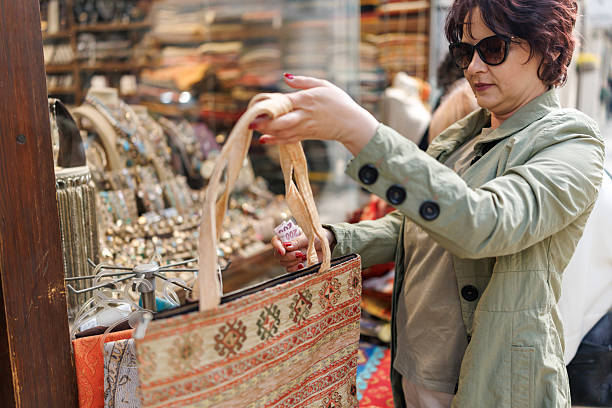
Craft fairs and fiber festivals are gold mines if you play them right. Go on the last day, preferably the final hour. Many vendors would rather sell a skein at a discount than pack it, and they may offer bundle deals on remaining inventory. Cash still talks, but ask before assuming a card fee is negotiable. Be polite and specific: “I’m looking at these three skeins and this remnant bundle. Would you do a package price?” Makers appreciate buyers who know what they want. If you are buying fabric, ask about end-of-bolt remnants and sample swatches. Those odd cuts are often enough for small projects and cost far less than yardage.
Online auction sites and destash groups can be fantastic, but they require discipline. Search for misspelled listings, because “chrochet,” “merino wool yarn lot,” and “quilting cotton scrap” often surface undervalued items. Set a maximum price before you bid, including shipping, and stick to it. Auction fever is how a $20 skein becomes a $45 “deal.” On destash marketplaces, ask for weight, yardage, fiber content, and whether the yarn has been wound, stored with moth repellent, or exposed to smoke. For fabric, ask about selvage width, shrinkage, and prewashing. Request a close-up in natural light if the listing is vague. Pay with a method that offers buyer protection, and avoid friends-and-family payments unless you truly trust the seller.
Thrift stores, estate sales, and garage sales are the long-shot winners. Look for project bags, knitting needles, crochet hooks, blocking mats, and sewing notions alongside the yarn. These tools rarely wear out, and vintage metal needles and quality scissors can beat new budget versions. Check yarn for moths, mildew, or brittle fibers. Squeeze a skein. If it crunches or sheds badly, leave it. Estate sales often price craft supplies low because sellers do not know the difference between acrylic and cashmere. If a price seems high, bundle several items and make a reasonable offer. The worst answer is no.
For fabric goods, focus on deadstock, overruns, and bolt ends. Online fabric shops sometimes list mystery boxes or remnant bundles at deep discounts. These are great if you enjoy the surprise and can work with whatever arrives. If you need specific yardage for a garment, buy exact cuts instead. Always calculate the true cost per yard after shipping. A four-dollar yard of fabric with twelve-dollar shipping is not a bargain if you only need two yards. Buy quantities that match your actual projects, not your fantasy of becoming a person who quilts every weekend.
Finally, protect yourself from fake deals. Compare prices across a few trusted sellers. A sale on a marked-up item is not a sale. Check reviews for shipping speed and accuracy. Ask about dye lots if you need matching yarn, because two skeins from different batches can look like different colors. Buy from makers who clearly label fiber content, care instructions, and return policies. When a deal is good, buy what you will use, not what you cannot resist. The best bargain becomes a finished blanket, sweater, or quilt instead of another bin in the closet.