Turn Imperfections into Crafting Gold: The Truth About Factory Seconds and Mill Ends

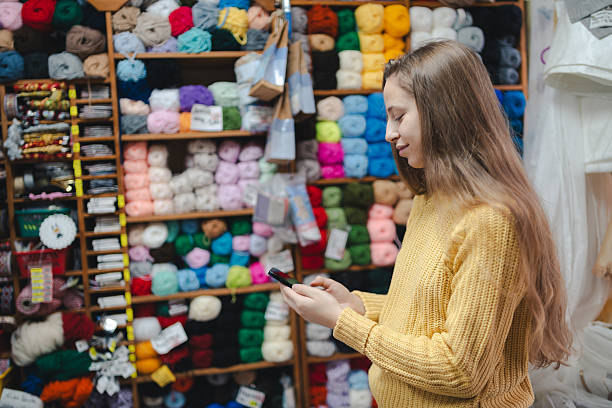
You have seen the bins. The ones shoved into the back corner of your local fabric shop or left in a chaotic pile near the clearance rack. Tangled skeins, oddly cut bolts, labels crossed out in marker. Most people walk past, assuming these are overpriced junk. But smart bargain hunters know better. Factory seconds and mill ends are the hidden backbone of a serious crochet, knit, or sewing obsession, letting you score premium materials for a fraction of the retail price. The catch is learning to shop them properly, which means leaving perfectionism at the door. These bins are often overlooked, but they reward the curious.
What do these terms actually mean? A mill end is the leftover piece from the end of a production run. When a factory makes thousands of yards of fabric, there is always a certain amount that comes off the loom as a partial roll. Perfectly usable, but too short for its original purpose, so it gets sold cheaply. In yarn, mill ends are skeins left after a colorway is discontinued or a batch overproduced. Factory seconds have a minor flaw in dye, texture, or finishing. Maybe the color is a shade lighter, or a thread is slightly thicker. None of these flaws affect most projects, but they dramatically affect the price.
Think like a bargain hunter rather than a perfectionist. A slight dye variation in a few skeins? No one will notice from across the street. A tiny snag near the edge of a fabric bolt? Easily cut around. The key is to inspect everything. Hold yarn up to the light to check for weak spots. Run fingers along fabric for thin areas. Give every piece a quick pull test for elasticity. Avoid holes, major stains, or severe density changes. But a small inconsistency often adds character to a handmade piece.
Where do you find these treasures? Your first stop is the clearance section or remnant bin at your local craft store. Many retailers place returned bolts or fabrics with less than a yard remaining near the cutting counter, marked down fifty percent or more. Do not be shy about asking a store employee when new remnants are put out. The truly dedicated shopper looks beyond retail. Search for fabric or yarn mills within a few hours’ drive. Many hold annual warehouse sales where you fill a bag for a flat price. Online, sellers buy entire lots of mill ends and resell them by weight. A ten-pound box of assorted knitting yarn can cost less than two premium skeins at a chain store.
Your local thrift store is another underrated source. Do not skip the sheets, curtains, and tablecloths. A faded linen sheet yields several square yards of high-quality fabric for under ten dollars. An old wool sweater with a moth hole can be unraveled, washed, and rewound into usable yarn. Just remember to wash anything from a thrift store before you cut into it. Upcycling is the ultimate bargain hunter’s ethos. You save money, reduce waste, and give materials a second life.
Of course, go in with a plan. The number one mistake is buying something just because it is cheap. That half-off roll of hideous orange fleece may be a steal, but it will sit in your cupboard for years. Set a budget and a list of upcoming projects. Buy only what you can realistically use within six months, unless it is an indispensable classic like neutral worsted weight wool or basic cotton muslin. The money you save only counts if the materials become something you love.
Finally, remember that the supply is consistent. Mills constantly produce new lines and clear out the old. That means you can develop a rhythm. Visit your store’s clearance bin every few weeks. Sign up for email alerts from online fabric discounters. Note the date of your nearest mill’s warehouse sale. With patience and a willingness to dig, you’ll build a stash of premium materials for hundreds less than full price. That regular habit is what separates serious savers from occasional luck. The best part? When you knit that blanket or sew that quilt, you’ll love it even more knowing exactly how very little you paid.