How to Master the Yarn Stash Sale and Save Big on Premium Fibers
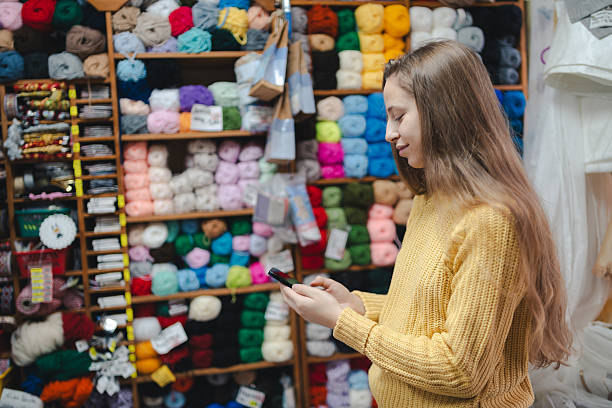
If you knit or crochet, you already know the painful truth: quality yarn costs real money. A single sweater’s worth of hand-dyed merino can easily set you back sixty bucks or more, and that’s without the pattern, needles, or the inevitable extra skein because you ran out half a sleeve in. But there’s a hidden marketplace where premium fibers sell for pennies on the dollar, and it’s not some sketchy overseas website. It’s the humble stash sale, also known as destashing, and savvy makers treat it like a treasure hunt. Here’s how to work it without getting burned.
A stash sale is simply someone selling off their personal yarn collection. Maybe they overbought for a project that got abandoned, maybe they inherited their aunt’s entire wool room, or maybe they just lost their job and need quick cash. Whatever the reason, these sales happen constantly, both in local Facebook groups and on dedicated online marketplaces. The best part is that you aren’t buying from a corporation with markups and shipping fees. You’re buying directly from another obsessive crafter who, more often than not, wants their prized skeins to go to a loving home. That means you can find rare dyelots, discontinued bases, and luxury blends like cashmere-silk or baby alpaca at fifty to seventy percent off retail.
The trick is knowing where to look. Start with local fiber guilds, knitting shop bulletin boards, and community garage sale groups. In person, you get to squeeze the yarn, check the twist, and hold it up to your face to see how it actually feels against your skin. That tactile inspection is priceless. But the real volume lives online. Sites like Ravelry have dedicated destash forums, and there are giant Facebook groups with tens of thousands of members. On these platforms, you’ll see posts going live every minute, especially on Mondays and Fridays when people have time to clean out their stash closets. Set your search alerts for specific brand names and fiber types. If you love a particular indie dyer, save that name. When someone posts “five skeins of Sock Obsession, emerald dyelot” for half the original price, you want to strike fast.
Because speed matters, you need a system. Keep your shipping address saved in your profile. Have a payment app ready to go. And most importantly, establish your personal price ceiling before you start scrolling. It’s incredibly easy to justify a $40 splurge in the moment because you think you’re “saving” $35 compared to the original price. But a stash sale is only a deal if you actually use the yarn. Ask yourself: do I have a project for this? If not, what will I realistically make with three skeins of thick mohair? Be brutally honest. A lot of destash buyers end up with massive hoards that never become anything, because they bought for the thrill rather than the project.
On that note, always request condition details. Cheap yarn is not a bargain if it’s moth-eaten, felted, or badly tangled. Ask for close-up photos of the label and the yarn itself, especially if the posting claims “smoke-free home” or “from a pet-free house.” Those things matter if you have allergies. Check whether the seller has washed or blocked the yarn previously. Pre-washed yarn can have changed drape and gauge. Also verify the yardage matches the label. Some sellers will say “partly used” and that’s fine, but you deserve to know exactly how much is left. A half-skein of a lace weight might be perfect for a contrast border, but not if you thought you were getting a full 400 meters.
Another underrated source is your local yarn shop’s sample sales. Many shops knit or crochet samples to display in the store, and when the season ends, they sell those finished samples—or sometimes the leftover yarn—at steep discounts. You can find a stunning cabled pullover made from premium Peruvian wool for a fraction of the materials cost, rip it out, and reclaim the yarn. That gives you the fiber without paying for the labor or the retail markup. Just be prepared to unravel carefully and use a skein winder to turn the old project back into usable hanks. It’s a bit of work, but the savings are enormous.
Destash events also happen at fiber festivals and craft conventions. On the final day of many shows, vendors would rather pack up less inventory, so they’ll knock twenty or thirty percent off already reduced samples and odd lots. But the real score is the late-afternoon community destash table, where individual makers who drove in for the weekend sell off bags of extra yarn rather than haul it home. These tables are chaos, but in a good way. Dig through the bins, chat with the sellers, and negotiate. Most people are happy to bundle three or four skeins for a flat price just to move them.
One final tip: build relationships with frequent sellers. When you find someone whose taste matches yours and whose storage habits are clearly excellent, follow them. Ask if they have private sales before posting publicly. Many serious stashers are happy to give a repeat buyer first pick. That’s how you end up with a steady pipeline of gorgeous, affordable yarn for all your future projects. And isn’t that the whole point? Scoring incredible materials at unbeatable prices, then turning them into something beautiful.