The Art of Buying Luxury Yarn Without the Luxury Price Tag

If your yarn stash has ever made you wince, you already know the frustrating truth. Crochet, knit, and sewing enthusiasts are creative people, but our hobbies can cost as much as a high-end spa weekend. One skein of cashmere at forty dollars, a few more of Italian merino, and suddenly you are doing mental gymnastics about whether you really need that new kitchen appliance. But there is a smarter way. You do not need to swear off beautiful fiber forever. You just have to outsmart the retail calendar and the people who price things based on perceived scarcity.
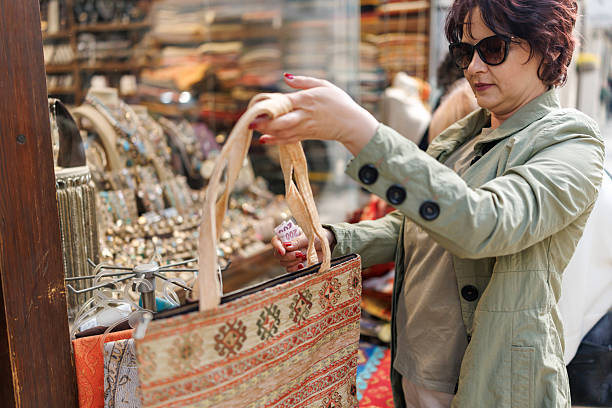
The first place to find insane deals is exactly where you least expect it: the end of a sheep and wool festival. Most visitors go on Saturday morning to see the cute llamas and pay full price for a hand-dyed braid that costs more than dinner. Smart shoppers show up on Sunday afternoon, with cash in their pocket and a calm face. Vendors do not want to pack up three hundred skeins and drive six hours back to their home studio. So they start slashing prices. A list price of twenty-eight dollars becomes eighteen, then twelve, and by two hours before closing, they will take eight dollars just to make you smile. Smile, bring a friend to help carry, and ask if they can do better on multiple items. Be respectful, but understand that you are doing them a favor.
The second play is buying against the weather. Retailers discount heavy wool and alpaca in late spring, when everyone else is buying cotton linen. The exact same yarn that filled the shelves in January gets moved to a clearance corner in July. Cashmere and merino blends routinely drop to sixty or seventy percent off because the floor space is now needed for fall novelty fibers. This takes foresight, because you will be buying for a winter project while the sun blazes outside. But that is the entire secret of people who wear gorgeous handmade sweaters on a budget. Look at your favorite yarn shop online, sort by clearance, and target the luxury fibers that nobody else wants because the color is last season. You can dye it if you truly hate it, or you can, like all smart crafters, just lean into the understated mustard and charcoal tones.
Do not underestimate the power of buying directly from the source. Many mid-sized wool mills sell their own “seconds” or “end of lot” skeins through separate pages on their websites. These are not flawed. They might have a label that misprints ten times out of a hundred, or the dye pot gave a slightly darker repeat than the original run, or the mill simply spun extra for a brand that ordered less. That tiny bit of overproduction gets sold to individual crafters for deep discounts. Sign up for newsletter alerts from a mill that produces your favorite breed. When they announce a “pop-up shop” or “garage sale,“ jump quickly. Cashmere dregs from a reputable mill are still cashmere, and they cost maybe a third of what a boutique will charge you.
Your next hub for cut-rate luxury is the online craft community, specifically destashing. Many people buy yarn for a project, knit three rows, hate their gauge, and then let the skein sit in shame. Eventually they realize they need money and turn to a marketplace or swap group. This is where you step in. A bundle of five skeins that retailed for eighty dollars will sell for thirty-five because the seller just wants it gone. The only risk is inconsistency, so ask direct questions. Is there a dye lot number? Were the skeins stored away from sunlight and pet hair? Do they have any weird chemical smell? When you get honest answers, you can score a matching set of a luxury fiber that has been discontinued. That is a win no retail store can give you.
Finally, remember the old trick that predates all of this: unraveling thrift store sweaters. For the price of one inexpensive oversized garment, you can gain hundreds of yards of true cashmere or merino. This takes patience, but your hands and your wallet will be grateful. Search for sweaters that are 100 percent cashmere and still have their tags hidden inside. Feel the fabric and do a quick elasticity test. If it is not felted or pilled to death, take it home, seam rip, and wind your prize into balls. You become a recycler who also wears custom pieces for pennies. Combine that with festival end-time buying and sunny-day clearance shopping, and you can amass a stash that makes you the envy of every fiber nerd on the block. Just remember to stay flexible on color and you will never pay retail again.