How to Score Real Deals on Crochet, Knit, and Fabric Goods at Maker Markets
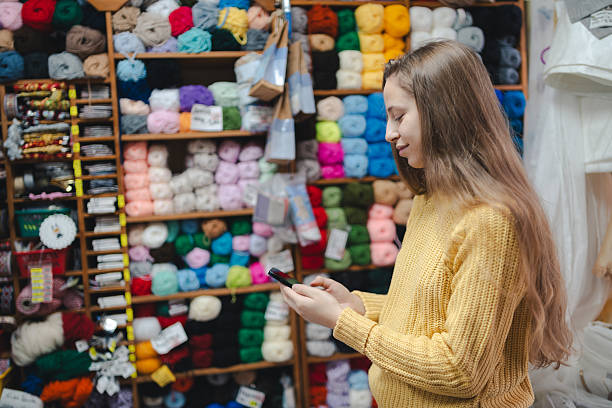
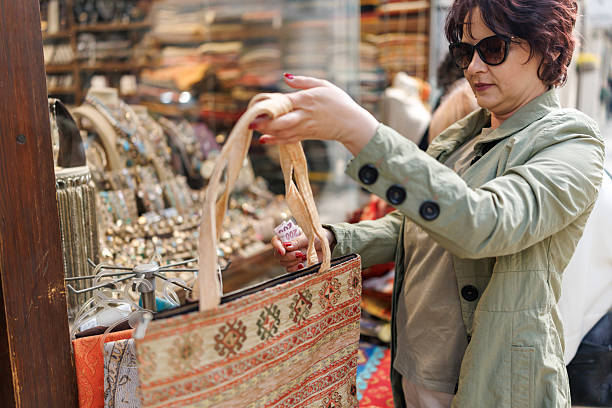
Maker markets are not shopping malls. The person selling you a crocheted cardigan or hand-dyed skein probably made it at their kitchen table and priced it after doing math they’d rather ignore. That doesn’t mean you should pay full price. It means you should shop smart. The best deals come from understanding how makers price, when they discount, and where the margins live. You need timing, flexibility, and good questions.
Timing is everything. The first hour of a maker market is for people who want the best selection and will pay for it. The last hour is for bargain hunters. Makers hate packing inventory. A knit blanket that took three weeks to make is heavy, bulky, and annoying to haul home. Near closing, many vendors will cut prices on larger items or offer bundle deals if you buy two sweaters, three skeins, or a stack of fat quarters. Ask if they have an end-of-day price, but do it respectfully. “Would you consider a deal if I take this off your hands now?“ works better than “What’s your lowest price?“
Off-season buying is your secret weapon. Makers plan inventory around seasons and need cash flow in slow months. Many run online sales, destash events, or clearance sections on their own sites. Follow your favorite crochet and knit designers on social media to catch sample sales. Samples are often one-of-a-kind, barely worn, and priced lower because they were used for photos or market displays. Fabric sellers do the same with remnants, bolt ends, and misprinted yardage. If you sew, love the remnant bin. Two yards of quality linen at half price beats five yards of cheap cotton at full price.
Know what you’re buying. Crochet and knit goods vary wildly in quality. Fiber matters: acrylic pills, merino needs care, alpaca stretches, cotton is heavy. Hand-dyed yarn is beautiful but costly because the dye process is labor-intensive. At maker markets, ask about fiber content, care instructions, and whether the item was made to order. If a seller cannot tell you what the yarn is, that’s a red flag. If they can explain why they chose a certain blend, that’s a good sign. For fabric goods, check seams, grain, and pattern matching. A quilt with straight lines and tight stitches will outlast a cheaper one with loose threads.
Bulk buys and custom orders can unlock better prices. If you crochet or knit, buying small-batch yarn gets expensive fast. Ask if the seller offers a discount on multiple skeins for one project. Many do, especially if you commit to a sweater quantity. If you sew, ask fabric vendors about bundle pricing for coordinating prints or a full quilt kit. Custom orders are trickier. A maker might charge less if you supply materials, but that shifts risk to you. Be clear about your budget up front. Good makers tell you what’s possible. Bad ones promise everything and deliver something that fits like a mail sack.
Online maker markets and auctions add another layer. Shipping can kill a deal, so factor it in. A forty-dollar hand-knit hat with twelve-dollar shipping is really a fifty-two-dollar hat. Look for sellers who combine shipping or offer local pickup. Auction sites can be goldmines for vintage sewing supplies, yarn lots, and estate-sale crochet. Set a maximum bid and stick to it. The thrill of winning is not worth paying retail for a used afghan. Read descriptions carefully. “Vintage” can mean charming or musty. “As-is” means exactly that.
Finally, the best deal is not always the cheapest price. A well-made sweater you wear for ten years costs less per wear than a fast-fashion knockoff you replace every season. A handmade quilt that becomes a family heirloom beats a department store blanket that pills after three washes. When you buy from makers, you’re paying for skill, time, and materials. That doesn’t mean you can’t negotiate or hunt for sales. Shop the last hour. Buy off-season. Ask about bundles. Check the seams. Then wear your finds until they’re truly worn out.