

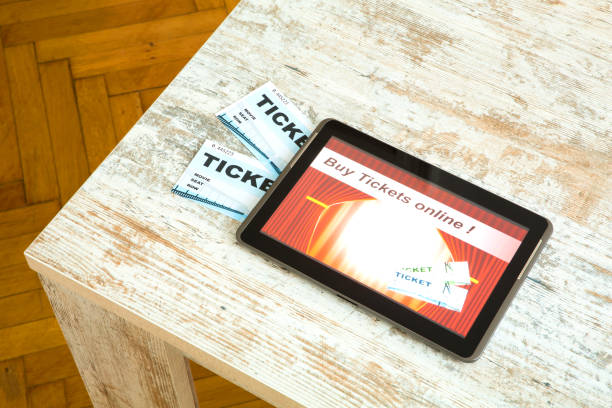

Let’s be blunt: most people bleed money on travel and entertainment without even realizing it. It’s not about the big vacation or the concert ticket you planned for; it’s the death by a thousand cuts from lazy habits, poor planning, and paying for convenience you don’t actually need. Slashing these costs isn’t about becoming a hermit. It’s about being smart, deliberate, and getting maximum value for every dollar you spend. The goal is to fund more experiences, not feed more corporate profits.
Start with your mindset. The single biggest leak is impulse spending disguised as spontaneity. True spontaneity is taking a last-minute hike; it’s not buying a nine-dollar airport bottle of water because you couldn’t be bothered to fill one at home. Before any trip or weekend, you need a plan. For travel, this means booking flights and lodging well in advance. Airlines and hotels use sophisticated software to jack up prices as availability shrinks. Playing chicken with them is a game you will lose. Set price alerts, be flexible with your dates by a day or two, and always, always search in a private browser window to avoid tracking cookies that inflate prices based on your repeated searches.
Your accommodation is another major battlefield. The hotel right next to the tourist attraction is a trap. You pay a massive premium for location, but you’re only sleeping there. Look at options a fifteen-minute walk or a short transit ride away. Vacation rental platforms can be great for groups or longer stays with kitchen access, but don’t ignore smaller, independent hotels or guesthouses that aren’t on the main booking sites—sometimes a direct phone call nets an old-fashioned, better rate. Regardless of where you stay, never, ever use the minibar or the in-room pay-per-view. These are profit centers designed to exploit your momentary laziness.
Entertainment spending is a masterclass in psychological pricing. The ticket price is just the entry fee. The real drain is everything surrounding the event: the twenty-dollar cocktails, the fifteen-dollar parking, the overpriced merch, and the mediocre dinner you rushed into beforehand. The trick is to decouple the experience from the ecosystem. Eat a good meal at home before you go out. Research parking garages a few blocks away or, better yet, use a ride-share or public transit. If you want a drink, hit a nearby bar before or after the show, not inside the venue where prices are criminal. Bring a sealed bottle of water if allowed. Your experience of the concert or game is not improved by a flimsy t-shirt that costs fifty dollars.
Daily habits on the road are where discipline pays off. That five-dollar daily coffee, the twelve-dollar lunch because you didn’t pack a snack, the thirty-dollar souvenir that will end up in a drawer—these are the choices that obliterate your budget. Invest in a good reusable water bottle and coffee tumbler. Book accommodation with free breakfast or a kitchenette. Visit a local grocery store for snacks, drinks, and even simple meals. You don’t have to eat every meal from a store, but swapping out just one pricey restaurant lunch for a picnic can save a family a small fortune over a week.
Finally, leverage technology and loyalty, but be shrewd about it. Use price comparison tools for flights and hotels. Consider alternative airports. For entertainment, follow local venues and museums on social media for flash sales or discount days. Many museums have “pay what you wish” hours. Some theaters sell last-minute rush tickets. However, avoid the loyalty program trap unless you genuinely frequent a chain. Chasing points often leads to spending more than you save just to earn a “free” night that comes with strings attached. The cleanest way to slash costs is to spend less money in the first place. Be intentional, plan ahead, and break the cycle of lazy spending. The money you save isn’t just money; it’s the down payment on your next adventure.