
Navigating a thrift store can be overwhelming, with racks of mixed textures, faded colors, and unknown labels. Yet for the savvy consumer, these secondhand aisles are treasure troves of durable, well-made garments that cost pennies on the dollar compared to their retail counterparts. The key to unlocking substantial savings lies not in buying everything you see, but in developing a trained eye for fabric and construction. When you can distinguish between a flimsy fast-fashion piece and a sturdy wardrobe staple, you stop wasting money on cheap items that fall apart after three washes and start investing in clothing that lasts for years. Learning this skill transforms thrifting from a gamble into a reliable cost-cutting strategy.
The first and most important clue is the fabric label sewn into the seam. In a thrift store, you hold the power of immediate inspection that is often denied in a new retail setting. Look for natural fibers: 100 percent cotton, linen, wool, cashmere, silk, and hemp. These materials breathe, age gracefully, and can be repaired or altered. Even blends that contain at least sixty to seventy percent natural fiber are usually superior to polyester or acrylic-heavy garments that pill, trap odor, and lose shape. Run your fingers across the surface. Does it feel soft and substantial, or scratchy and papery? A high-quality cotton, for example, will have a tight weave and a certain weight, not the see-through limpness of a cheap T-shirt. If you find a merino wool sweater for eight dollars, you are likely getting a piece that originally retailed for over a hundred dollars and will outlast five synthetic sweaters.
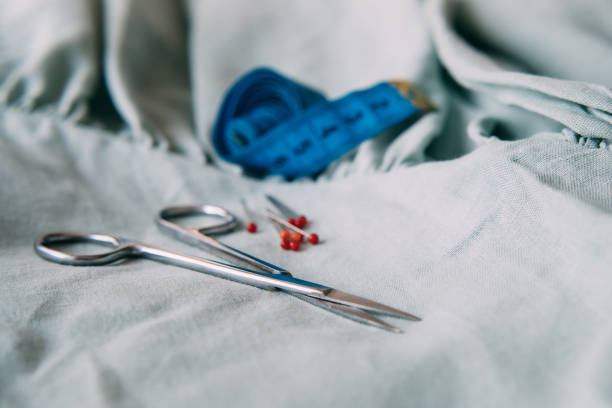
The second critical element is construction, which reveals how much care was taken during manufacturing. Turn the garment inside out. This simple act exposes the truth. Look at the seams. A quality piece will have flat-felled or French seams, where the raw edges are enclosed and reinforced. Cheap clothing often uses overlocked seams that unravel quickly or single-stitched hems that pop open. Examine the buttons. Are they sewn on with thread that wraps around the shank, or are they barely tacked on with a few loose stitches? Real buttons, made of shell, horn, wood, or metal, are a good sign; cheap plastic buttons that feel hollow are a red flag. Zippers matter too. YKK zippers are a standard of reliability. If you see a metal zipper with a branded pull, the garment was likely designed to last. These small details directly translate to longer wear, which means you pay less per use over the life of the item.
Beyond labels and stitches, use your hands and eyes to check for other hallmarks of quality. Hold the garment up to a light source. Can you see through the fabric? In woven fabrics, a tight, even weave indicates durability. In knits, look for tight, uniform loops without snags or pulled threads. Check the lining of jackets and coats. A lined piece with a full inner fabric, preferably in a smooth synthetic like rayon or cupro, will hang better, resist wear, and keep you comfortable. Unlined cheap jackets often bunch and rip at the armholes. Also examine the shoulder pads, if present. High-end garments use layered, quilted padding that retains its shape; cheap padding is thin foam that crumbles after dry cleaning. Finally, smell the item. Lingering mustiness can often be removed, but if there is a strong chemical smell similar to fast-fashion stores, that suggests the fabric was treated with cheap finishes that fade quickly.
One of the greatest advantages of thrift store shopping for quality is the price-to-value ratio. A well-constructed wool blazer that originally cost two hundred dollars might be priced at twelve dollars. Even if it needs minor repairs like a new button or a hem adjustment, the total cost remains far below the original. The same applies to leather goods. Genuine full-grain leather will age into a beautiful patina, while bonded leather or pleather cracks and peels. Learn to read the grain, the stitching, and the hardware on bags and belts. A leather jacket with a YKK zipper and branded hardware is a lifetime piece. Over a decade of wear, that ten-dollar thrift find costs about one dollar per year—a fraction of what you would spend replacing cheap jackets annually.
Ultimately, the habit of inspecting fabrics and construction turns thrifting into a disciplined method of saving money. Instead of impulse buying five trendy shirts that will look worn after two washes, you leave the store with one or two exceptional items that serve you rotationally for years. This approach aligns with the broader consumer goal of cutting costs: spend less overall by buying better, less often. Each time you pick up a garment in a thrift store, ask yourself if you would pay full retail price for this piece if it were brand new. If the answer is no because the fabric or stitching feels subpar, put it back. If the answer is yes, you have found a bargain that will enrich your wardrobe and your wallet. With practice, you will walk through those aisles like a connoisseur, saving money with every well-chosen item.