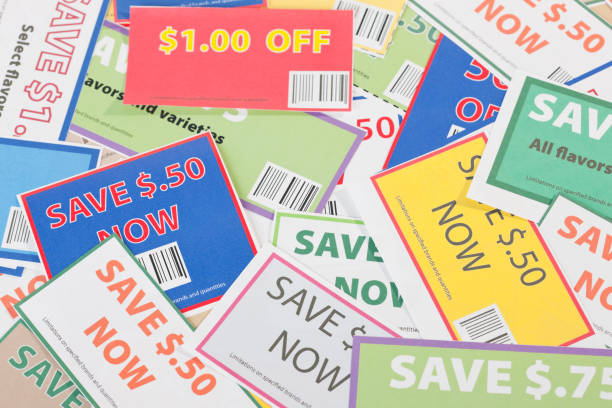

One of the most underutilized tactics in the modern consumer toolkit is the art of stacking—combining multiple savings methods on a single purchase to drive the final price far below the sticker. While many shoppers are aware of store loyalty programs and digital coupons individually, few realize that these two tools are designed to work together in powerful ways. Mastering the synergy between loyalty points and digital coupons can transform routine transactions into significant savings events, especially on big-ticket items where every dollar counts.
The first principle of effective stacking is understanding the hierarchy of discounts. Retailers typically apply discounts in a specific order: promotional sales first, then store coupons, then manufacturer coupons, then loyalty rewards or points, and finally, store credit or gift cards. This order matters because percentage-based discounts taken later in the sequence yield smaller absolute savings. For example, a 20% off store coupon applied before a $10 loyalty reward will save you more than applying the same coupon after the reward. Savvy shoppers check the fine print of both the digital coupon and the loyalty program terms to confirm the order of application. In many stores, loyalty points are treated as a form of payment at the end, meaning you still benefit from every percentage-off coupon earlier in the process.
Beyond the simple order, the real payoff comes from timing. Most loyalty programs offer bonus point multipliers on certain days or for specific categories. By aligning your digital coupon redemption with these multiplier periods, you effectively earn future rewards while saving now. For instance, if your grocery store offers double points on all purchases every Tuesday, stacking that with a digital coupon for 15% off produce means you save on today’s bill and bank extra points for a future purchase. This cyclical saving turns a one-time discount into a recurring benefit. The key is to plan purchases around these overlaps rather than shopping impulsively.
Another advanced strategy involves combining loyalty program membership with browser-based coupon tools. Many digital coupon extensions, such as those that automatically apply promo codes at checkout, are compatible with store loyalty portals. Before finalizing an online order, log into your loyalty account first, then activate the browser extension. Some extensions can even detect loyalty discounts and apply them alongside general promo codes. However, caution is necessary: certain retailers block stacking with browser extensions if the coupon code originates from a third party. Testing small purchases beforehand can reveal which combinations work.
For big-ticket purchases, the stacking potential multiplies. When planning a major appliance or electronics buy, consider joining the store’s loyalty program weeks in advance. Many programs offer welcome bonuses—such as 500 extra points on your first purchase—that can be redeemed only after a waiting period. Meanwhile, collect digital coupons from the store’s app or email newsletters. On the purchase day, apply any storewide or category-specific digital coupon first, then redeem your accumulated loyalty points. If the store also offers a loyalty credit card, using it for the transaction can earn additional points on top of the discounted total. Even after points are redeemed, you may still pay with gift cards purchased at a discount from third-party resellers, creating a stack of four or five layers.
A common mistake that undermines stacking is failing to read the exclusions. Some digital coupons explicitly state they cannot be used with loyalty rewards, or they limit the maximum discount amount. Similarly, loyalty points might have minimum purchase thresholds or exclude clearance items. Always check the terms before adding items to your cart. A quick scan of the fine print can save you from disappointment and wasted time. The best practice is to create a mental checklist: confirm the coupon’s expiration, verify the loyalty point balance, and ensure no category restrictions apply.
The psychological aspect of stacking is equally important. When you combine savings methods, the final price can drop so low that it feels like a glitch. This leads to a temptation to overbuy, negating the savings. Discipline is crucial: stack only on items you already need or have planned to purchase. The goal is to reduce your overall spending, not to increase volume. Try setting a personal rule: never stack unless the final price is at least 30% lower than the best alternative from a competitor. This ensures you’re genuinely maximizing value rather than being seduced by a low number.
Technology has made stacking easier than ever. Many store loyalty apps now feature a digital wallet where you load both coupons and points, and the system automatically applies the best combination at checkout. However, automation is not always perfect. Always double-check the receipt or order summary before paying. Occasionally, the system fails to apply a coupon that should work, or it deducts points prematurely. A polite request to a customer service representative can often correct the error, especially if you can show the digital coupon terms. Building a reputation as a polite but persistent shopper can yield additional goodwill discounts over time.
In summary, the combination of store loyalty programs and digital coupons offers a layered approach to savings that goes beyond either method alone. By understanding discount hierarchies, timing purchases with bonus point events, and using browser tools judiciously, consumers can consistently lower their costs on both everyday essentials and major investments. The discipline of stacking requires planning and patience, but the financial rewards are substantial. Embrace the process as a skill rather than a chore, and watch your savings grow with every transaction.