Maximizing Cash Back with Multi-App Rebate Stacking
The modern consumer navigates a landscape where every dollar counts, particularly when it comes to everyday essentials like groceries and household items. While using a single rebate app can yield modest savings, the true power lies in stacking multiple apps together on the same purchase. This strategy, known as multi-app rebate stacking, transforms a routine trip to the supermarket into a mini cash-back engine. Understanding how to combine these digital tools without violating their terms requires patience and a bit of organization, but the payoff can be significant—often doubling or tripling your savings on items you would buy anyway.
At its core, rebate stacking means submitting the same receipt to two or more apps that each offer independent rewards for the same product or for general purchases. For example, a popular brand of laundry detergent might have a specific rebate on Ibotta, a general bonus for buying any laundry product on Fetch Rewards, and a store-specific loyalty offer through your grocer’s app. By scanning your receipt into all three platforms, you collect each reward separately, effectively collecting three layers of cash back on one bottle of detergent. The key is that these rebates are not exclusive; they are offered by different companies that do not cross-check your submissions against one another. As long as each app’s terms allow the purchase—most do not prohibit using other apps—you are free to stack away.
The most common stacking combination involves pairing a dedicated rebate app like Ibotta or Checkout 51 with a receipt-scanning app like Fetch Rewards or Shopkick. Ibotta typically offers targeted rebates on specific brands and requires you to select offers before shopping, while Fetch Rewards gives you points for every receipt regardless of items, with bonus offers for certain categories. By uploading the same receipt to both, you capture the targeted reward and the general points simultaneously. Adding a third layer, such as Swagbucks or Bing Rewards, which sometimes offer cash back via digital coupons or partner offers, can further amplify the return. For instance, if you purchase a box of cereal that has a $1.50 rebate on Ibotta, a 200-point bonus on Fetch (worth about $0.20), and a $0.50 offer through Swagbucks, you effectively receive $2.20 back on a single box that may cost only $3.99. Over a month of grocery shopping, these increments add up to real money.
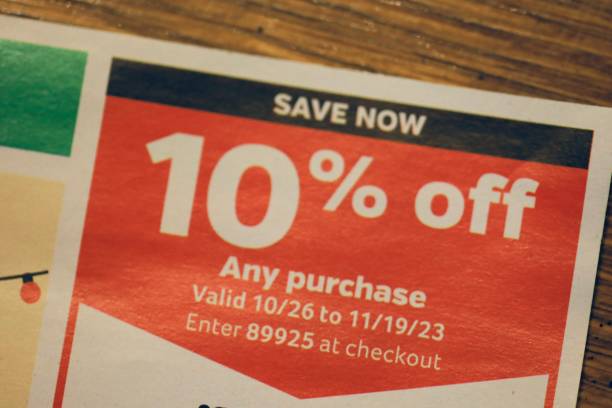
However, successful stacking requires a disciplined approach. Start by checking your chosen apps before heading to the store. Note which items have specific rebates and whether any of those overlap with store sales or manufacturer coupons. Many stores allow you to combine paper or digital coupons with rebate app offers, creating an even deeper discount. For example, using a store coupon, a manufacturer coupon, and then submitting to Ibotta and Fetch on the same item is a quadruple play that requires careful tracking but yields impressive results. The trick is to avoid buying items purely for the rebate; instead, focus on products you already need. This prevents the common pitfall of overspending in pursuit of savings. Rebate apps should reward your normal shopping behavior, not drive you to buy more than necessary.
Another advanced technique involves timing your submissions to maximize bonus opportunities. Many apps offer daily or weekly bonuses for uploading a certain number of receipts, or for scanning specific items within a time window. By holding your receipts and submitting them on a day when a bonus is active, you can earn extra points on top of the regular rebates. For instance, Fetch Rewards sometimes offers double points on all receipts for a limited period. Submitting a pile of receipts from a week’s worth of shopping during that promotion can instantly double your points. Similarly, Ibotta frequently runs “bonus streaks” where achieving a certain number of rebates in a row unlocks a bigger cash bonus. Planning your purchases to align with these incentives turns ordinary shopping into a game of strategic accumulation.
Despite the obvious benefits, multi-app stacking is not without potential pitfalls. Some users worry about violating terms of service, but in general, rebate apps do not prohibit using other apps. The bigger risk is accidentally submitting the same digital receipt (when you have both a paper receipt and an e-receipt from a loyalty card) or trying to claim the same offer twice on the same app, which is clearly forbidden. A more subtle issue is the time investment. Managing three or four apps, keeping track of offers, and scanning receipts can become tedious. To stay efficient, many savvy shoppers dedicate a few minutes each week to reconcile their receipts with their apps, using a simple folder or digital photo album to avoid missing submissions. Over time, the routine becomes second nature, and the cumulative cash back justifies the effort.
Ultimately, stacking rebate apps is about leveraging the fragmentation of the cash-back market. No single platform can offer every rebate, but by combining several, you capture a much larger portion of the potential savings. This strategy works especially well for households that purchase a wide variety of branded goods, as different apps specialize in different categories. For budget-conscious consumers, the difference between using one app and stacking three can mean an extra twenty to fifty dollars per month in cash back—money that can be redirected toward other expenses or saved for bigger goals. In a world where every purchase matters, learning to stack rebate apps is not just a clever trick; it is a practical financial habit that turns the chore of grocery shopping into a profitable exercise.