Maximizing Savings Through Cash Back Stacking Techniques

The modern consumer is inundated with opportunities to save money, yet many leave significant cash back on the table simply because they do not understand how to combine multiple earning streams. Cash back stacking is a powerful method that involves using browser extensions, shopping portals, credit cards, and store loyalty programs in a coordinated sequence to maximize the percentage returned on every purchase. When executed correctly, stackers routinely earn between ten and thirty percent back on their everyday spending, transforming routine transactions into a steady source of rebates. The key lies in understanding the order of operations and the compatibility of different cash back channels.
At the foundation of any stacking strategy are browser extensions that automatically detect eligible cash back offers. Tools such as Rakuten, Capital One Shopping, and Swagbucks install directly into your web browser and activate when you visit a supported retailer. These extensions work by tracking your click through a partner link, which then credits a percentage of the purchase amount to your account. The beauty of these tools is that they require minimal effort; you simply enable the extension before shopping and proceed as usual. However, the cash back rates vary by store and can fluctuate daily. Savvy stackers monitor these rates and time their purchases for peak percentages, often doubling the standard offer during promotional periods like Black Friday or back-to-school season.
The second layer involves pairing the browser extension with a dedicated cash back credit card. Many cards offer two to six percent back on categories such as groceries, gas, or online shopping. By using the card to complete the purchase that is already tracked by the browser extension, you effectively earn two sets of cash back simultaneously. For example, a purchase at a department store might yield five percent from the browser extension and three percent from your credit card, resulting in an eight percent total rebate. The critical nuance is that the credit card cash back is usually paid as statement credits or points, while the browser extension pays out via check or PayPal. This separation means the rewards do not cancel each other out, provided the card’s cash back is not tied to a specific shopping portal.
Store loyalty programs add a third dimension to the stack. Many retailers offer their own rewards programs that grant points or store credit for every dollar spent. These programs can be linked to your account and are often compatible with both browser extensions and credit cards. When you make a purchase, the store loyalty system tracks your spending independently. You might earn, for instance, two points per dollar at a drugstore, which can later be redeemed for discounts on future purchases. Because the loyalty points are tied to the retailer’s internal system, they do not interfere with the browser extension’s tracking or the credit card’s cash back. In fact, they represent a separate revenue stream that can be layered on top of the other two. The total rebate from all three sources can easily exceed fifteen percent for frequent shoppers.
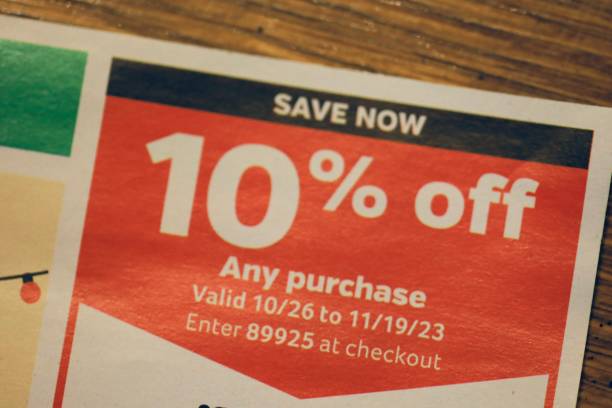
Seasoned stackers take the technique even further by incorporating coupon codes and promotional discounts. Before checking out, they search for applicable coupon codes using the same browser extension or a dedicated coupon tool. These coupons might offer a percentage off the total, free shipping, or a dollar amount discount. Since cash back is calculated on the final purchase amount after discounts, using a coupon reduces the price and thereby the absolute cash back amount, but the net savings still increase because the discount is applied upfront. The optimal sequence is to apply any coupon codes first, then ensure the browser extension is active, and finally pay with the cash back credit card. This order prevents the coupon from invalidating the tracking link, which can happen if the coupon is applied through a different channel that overwrites the referral.
One common mistake that undermines stacking is using a store’s proprietary credit card that gives a flat percentage back on all purchases. While these cards are convenient, they often prohibit combination with third-party shopping portals. The store’s own card may be classified as a co-branded product that pays its rewards through a closed loop, and using it can void the browser extension’s commission. Therefore, it is generally better to use a general-purpose cash back card that offers rotating categories or flat-rate rewards. Additionally, some browser extensions have terms that disallow using certain coupon codes or clicking through multiple portals. Reading the fine print of each program’s terms of service prevents accidental disqualification of earnings.
Another advanced tactic involves leveraging cash back portals for recurring bills and subscriptions. Many utility companies, streaming services, and insurance providers offer cash back through portals like TopCashback or BeFrugal when you make a payment. By setting up auto-pay through a portal link, you can earn a small percentage each month on expenses you would incur anyway. Over the course of a year, these incremental returns add up to substantial savings. Similarly, purchasing gift cards through cash back portals before making a purchase at a retailer can create an additional layer of savings. For example, you might buy a discounted gift card from a portal that offers two percent cash back, then use that gift card in a store that also gives loyalty points, and finally pay with a credit card that earns rewards. The stacking becomes a multi-step process that requires careful planning but yields impressive results.
To truly master cash back stacking, consumers must maintain an organized system. Keeping a simple spreadsheet or using a tracking app that records each transaction, the cash back earned from each source, and the date of payout helps avoid forgotten rewards and identifies which combinations are most profitable. Many stackers also set calendar reminders to check for expiring cash back offers or promotional rate increases. Over time, this discipline becomes a habit that transforms shopping from a chore into a game of optimization. The psychological reward of seeing money accumulate without additional effort reinforces the behavior and encourages further stacking.
Ultimately, cash back stacking is not about getting rich quickly but about converting small, everyday purchases into a steady stream of passive income. By layering browser extensions, credit cards, loyalty programs, and coupons, consumers can reclaim a significant portion of their spending without changing their lifestyle. The technique requires an initial investment in learning the rules of each program and a willingness to experiment with different combinations, but the payoff is reliable and tax-free in most jurisdictions. As digital shopping continues to expand, the ability to stack cash back will become an essential skill for anyone serious about keeping more of their hard-earned money. Start with one browser extension and one cash back card, then gradually add layers as you become comfortable. The savings will compound, and before long, you will wonder why you ever shopped any other way.