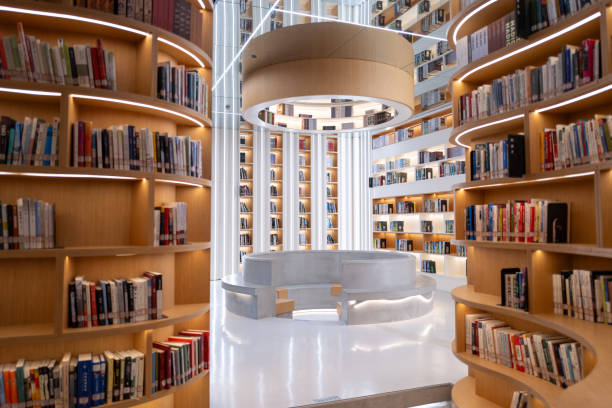

The sight of a library display advertising free museum passes feels like discovering a small treasure. For families, students, and curious individuals, these programs promise a day of cultural enrichment without the daunting price of admission. On the surface, the answer is straightforward: yes, the passes themselves are free of direct monetary charge to the borrower. However, a closer examination reveals that this “free” access is underpinned by a complex web of financial, social, and logistical costs that are collectively absorbed, transforming the concept of “free” into a nuanced transaction of communal investment.
The most direct cost is borne by the public institutions themselves. These museum pass programs are not charitable donations from museums but are the result of negotiated contracts and purchases. Public libraries, often operating on strained municipal budgets, allocate funds to buy or subscribe to these passes. The money comes from taxpayer dollars, grants, and sometimes private library fundraising foundations. Therefore, while an individual patron pays nothing at the moment of reservation, they have already contributed indirectly through their taxes or donations. The “free” pass is a prepaid benefit, a pooling of community resources to lower the barrier to entry for all, rather than a gift with no origin.
Beyond the fiscal underpinnings, significant logistical costs are embedded in the system. For the library, administering the program requires staff time to manage reservations, handle physical passes, and field inquiries. This is time diverted from other services like literacy programs, community outreach, or reference assistance. For the patron, the cost is often measured in effort and flexibility. “Free” passes are typically limited in number and high in demand, requiring patrons to plan weeks or even months in advance. This system inherently favors those with the foresight, digital access, and flexible schedules to secure a reservation the moment it becomes available. The spontaneity of a weekend museum trip is replaced by strategic planning, and the failure to secure a pass can feel like a lost opportunity—a cost of disappointment.
There is also a subtle social cost related to equity. While designed to promote access, the high-demand nature of these programs can sometimes replicate the very barriers they aim to dismantle. Individuals working multiple jobs, those without reliable internet access to book online, or newcomers unfamiliar with the system may be less likely to benefit. Consequently, the program’s benefits can disproportionately flow to those already equipped with the knowledge and means to navigate the system, albeit without the admission fee. The cost here is a potential gap between the program’s egalitarian intent and its practical execution.
Finally, for the museums, participating is a calculated investment. They offer passes at a reduced institutional rate to libraries, incurring a loss of potential full-price admission revenue. They accept this cost as a form of community engagement, public relations, and long-term patronage development. A child visiting on a library pass may become a future paying member, donor, or lifelong advocate. The museum absorbs a short-term financial cost for a long-term communal benefit, betting on the educational and civic value of broad access.
In conclusion, library museum passes are free in the most immediate and personal sense: no wallet needs to open at the door. Yet, they are far from costless. They are a sophisticated social agreement, a redistribution of existing public funds, and a transaction of time and access for financial savings. The true cost is subsidized by taxpayers, absorbed by library staff workloads, paid in patron planning effort, and strategically underwritten by cultural institutions. Recognizing these hidden investments does not diminish the value of these excellent programs; rather, it deepens our appreciation for them. They represent a collective societal choice to prioritize cultural access, sharing the burden so that the experience at the point of entry can feel, beautifully and importantly, free.