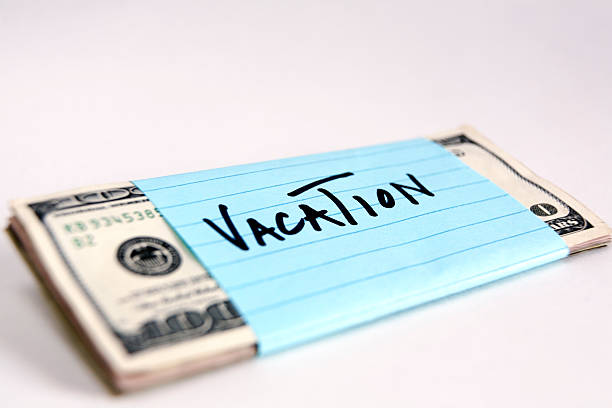

Traveling during off-peak seasons and days is not a luxury travel hack; it is the single most effective financial strategy for anyone who wants to see the world without draining their bank account. This approach is a straightforward exchange: you trade the convenience of perfect weather and peak crowds for significantly lower prices and a more authentic experience. The core principle is simple: demand dictates price. When everyone wants to go somewhere, prices for flights, hotels, and attractions skyrocket. When the crowds thin, the deals appear.
The financial benefits are immediate and substantial. Airfare is often the largest travel expense, and flying on a Tuesday, Wednesday, or Saturday can routinely save you hundreds of dollars compared to flying on a Friday or Sunday. This is because business travelers typically fly at the start and end of the week, and leisure travelers often book weekend flights. By targeting the midweek trough in demand, you capitalize on lower fares. Similarly, shifting your vacation by just a few weeks can have a dramatic impact. Visiting Europe in late September or early October, after the summer rush but before the weather turns, means you will find airfares and hotel rates that are a fraction of their July and August highs. A ski trip in early December or late March avoids the holiday and school break premiums, offering the same slopes at a much lower cost.
Accommodation costs follow the same pattern. Hotels and rental properties use dynamic pricing models that surge during high demand. A beachfront condo that costs a small fortune in July might be half the price in May or September. The savings extend beyond your flight and bed. Car rentals are cheaper, and you will often find that popular tours, museum entries, and even restaurant prix-fixe menus are offered at discounted rates to attract visitors during quieter times. The cumulative effect is a trip that feels more luxurious for your budget, allowing you to upgrade your room, enjoy an extra special meal, or extend your stay for the same total cost as a cramped peak-season getaway.
Beyond the direct savings, the experiential benefits are profound and cannot be overstated. Travel is supposed to be an escape, not an exercise in crowd navigation. Off-peak travel means you actually see the sights instead of just seeing the backs of other tourists. Imagine having the winding paths of a historic European old town largely to yourself, being able to pause and appreciate a masterpiece in a quiet museum gallery, or securing a reservation at that famous restaurant without booking months in advance. The pace is slower, the service is often more attentive as staff are less harried, and you get a clearer sense of daily life in your destination, unobscured by the performative chaos of a tourist boom.
To execute this strategy, you must first redefine what constitutes the “right” time to travel. It requires flexibility and a willingness to research shoulder seasons—the periods just before and after the peak. It means being open to destinations where the weather might be mild instead of guaranteed perfect. The key is to identify your priorities. If your goal is absolute budget minimization, target the deepest off-peak periods. If you want a balance of good weather and good value, the shoulder seasons are your sweet spot. In short, off-peak travel is a conscious choice to prioritize value and experience over convention. It is the method of the savvy consumer, proving that the best travel memories are not only about where you go, but about the smart decisions you make to get there.