
Many consumers believe that joining a store loyalty program simply means collecting points for a small discount on a future purchase. They swipe their card, watch the points accumulate at a glacial pace, and eventually redeem them for a free coffee or a few dollars off a larger haul. This passive approach leaves enormous value on the table. The true art of saving money in the modern retail landscape does not lie in the points themselves but in the ability to stack and layer discounts. When you pair a robust loyalty program membership with savvy digital couponing and browser-based tools, you can transform an ordinary transaction into a deep discount that feels almost like magic.
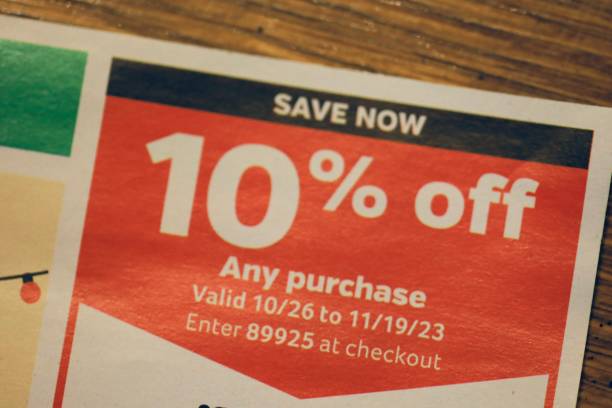
The fundamental shift in understanding begins when you realize that loyalty programs are not just about spending money, but about earning a personalized pricing tier. Retailers track your purchase history, your preferred brands, and even the seasons in which you shop. In exchange for this data, they grant you access to an invisible economy of exclusive digital coupons that never appear on the public website. These are not the generic 10% off offers that anyone can find with a quick search. These are targeted, algorithmic coupons designed to tempt you to buy exactly what you usually buy, but at a price that ensures your continued loyalty.
This is where browser tools become indispensable. A simple coupon-finding browser extension can scrape the general internet for public codes, but the real savings come from pairing those publicly available coupons with your loyalty account’s internal offers. For instance, a major grocery chain might offer you a digital coupon for a specific brand of laundry detergent through your loyalty app. Simultaneously, a browser extension might find a manufacturer’s coupon for the same detergent. Because your loyalty card links the transaction to your identity, the store system can apply both discounts in a single checkout. The app-based discount is deducted first, and the manufacturer’s coupon is applied to the reduced total. When you combine this with the base loyalty rewards points you earn on the purchase, you have effectively created a cascade of savings that a non-member simply cannot achieve.
The psychology behind this strategy is important to grasp. Retailers design these stacked offers to feel like a game, and winning that game requires a deliberate workflow. Before making a big-ticket purchase, such as a new laptop or a seasonal appliance, the first step should be to join the store’s loyalty program at least a week in advance. Many programs offer a welcome coupon or a first-purchase bonus that expires after a short window. By delaying your purchase and allowing the algorithm to observe your browsing behavior or your wish list, you increase the likelihood that a targeted offer will appear in your loyalty portal. At the same time, you should use a browser extension that automatically tests coupon codes at checkout. The combination of a fresh loyalty account and an active coupon tool can unlock a rare synergy: a clearance sale price, a loyalty member discount, and a free shipping code all applied simultaneously.
One common mistake is assuming that loyalty points are the only prize. While redeeming 5,000 points for a $5 voucher is fine, using digital coupons to reduce the purchase price before you earn those points is far more powerful. Think of it this way: if you buy a $100 item and earn 100 points, that is a 1% return. But if you use a loyalty-exclusive 15% off coupon and a digital manufacturer coupon for $5 off, you spend $80 and still earn points on that $80. Your effective discount has skyrocketed, and you have not even touched your point balance yet. Furthermore, browser tools that offer cashback on top of everything add yet another layer. This structure—loyalty discount, public coupon, store coupon, points earned, and cashback—represents the pinnacle of consumer efficiency.
The final piece of this puzzle involves timing and email management. Loyalty programs often send flash sale alerts and exclusive coupon codes directly to your inbox. Instead of ignoring these emails, create a dedicated folder and set up a browser extension that monitors them for high-value codes. When you receive a “20% off for loyalty members” email, immediately check your browser tool for a competing offer. You can sometimes combine a loyalty code with a general sitewide sale using a different code field at checkout. Mastering this requires patience, but the payoff is substantial for both everyday groceries and expensive electronics.
In conclusion, the most powerful tool in your savings arsenal is not a single app or a single code. It is the intentional union of your loyalty program membership and your digital couponing discipline. By understanding that your loyalty card is a key to a hidden layer of personalized discounts, and by using browser extensions to surface public codes that stack on top, you can consistently beat the advertised price. The consumer who masters this stacking strategy stops paying full price entirely, and instead pays only the minimum that the retailer’s system will allow.